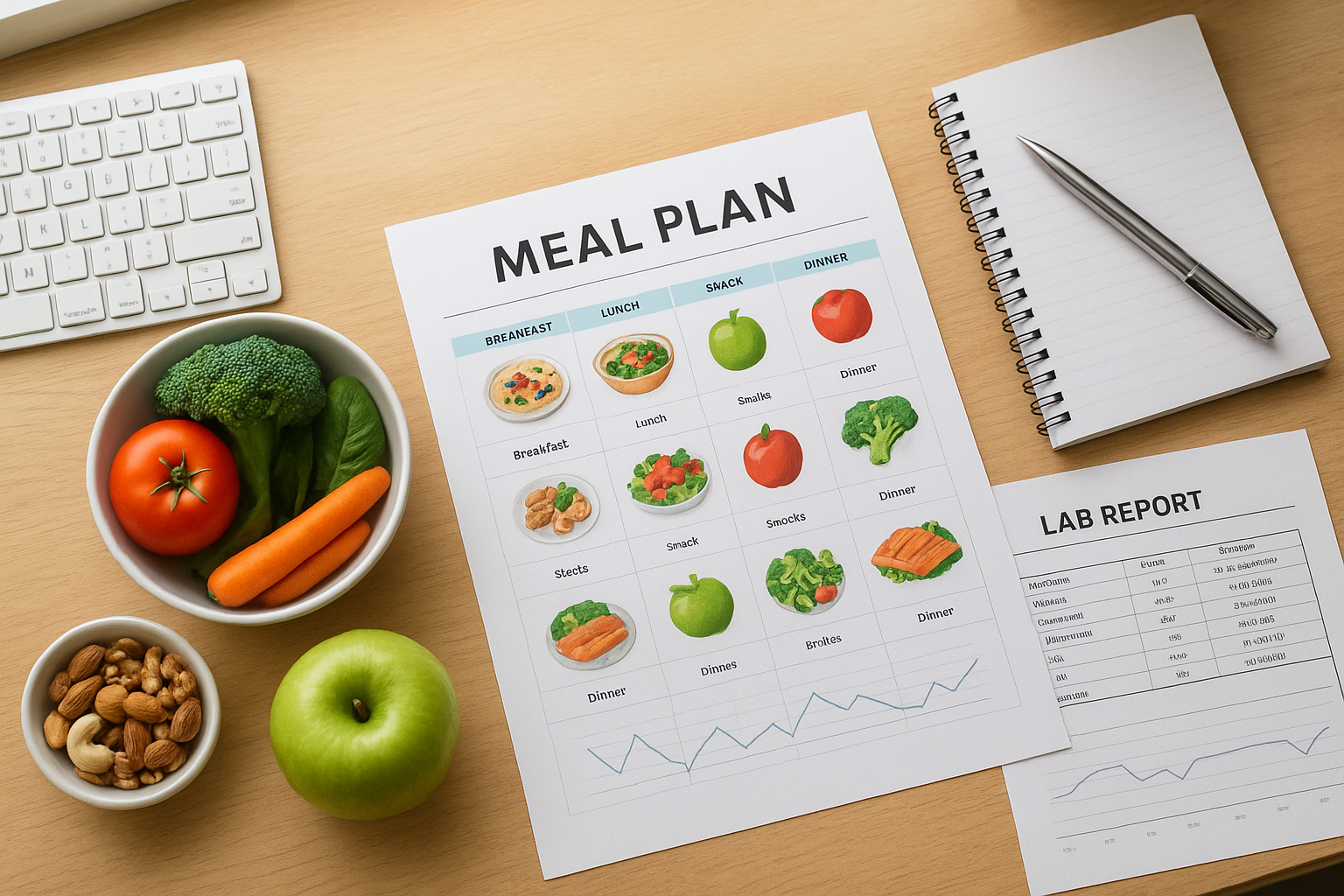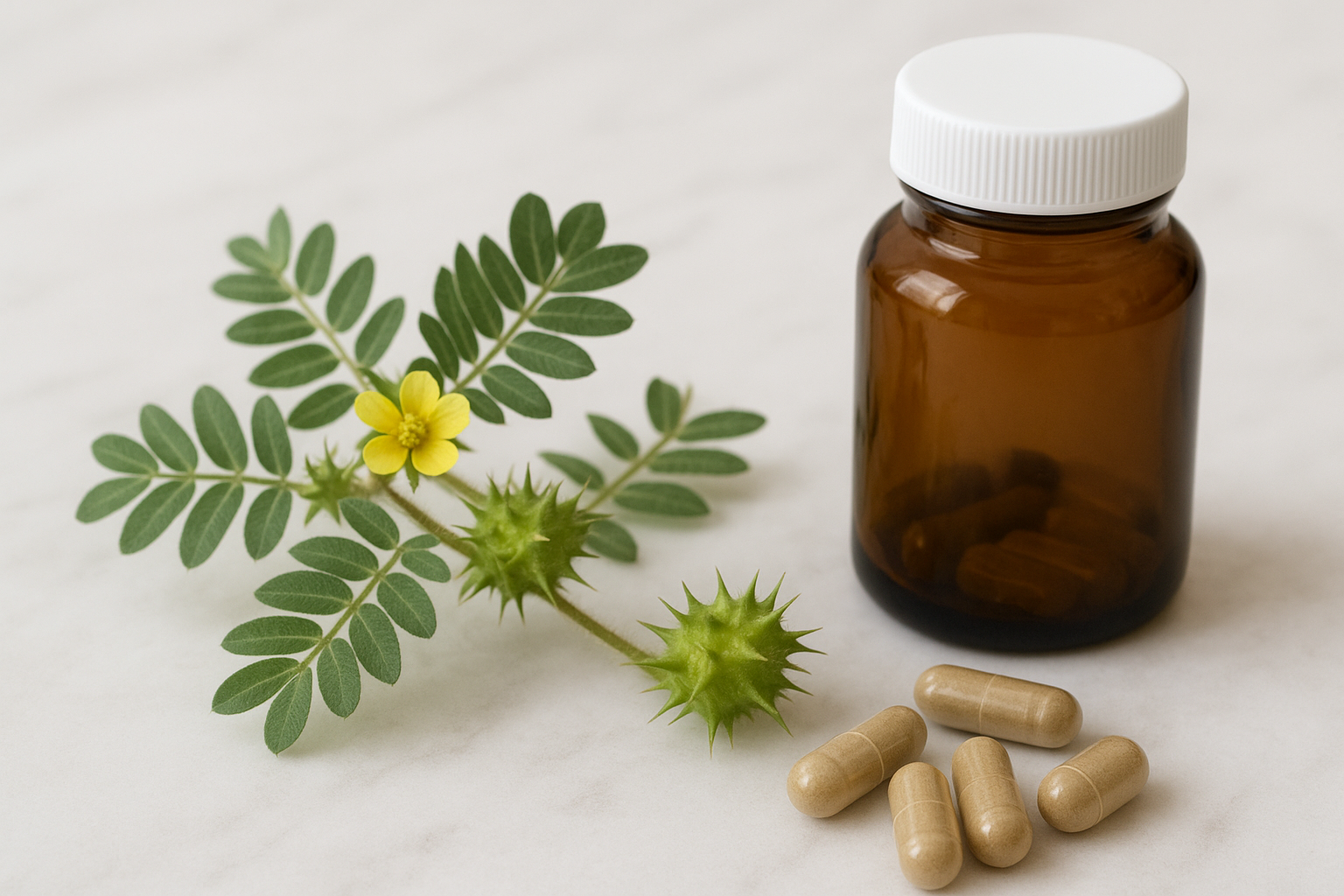
The tribulus testosterone booster is one of the most heavily marketed supplements in the men’s health space — yet the clinical evidence behind it tells a very different story than the label promises. If you’ve been considering tribulus as a solution for low energy, reduced libido, or declining muscle mass, this article will walk you through exactly what the science says, what the supplement can and cannot do, and what your real options are.
What Is a Tribulus Testosterone Booster?
A tribulus testosterone booster is a dietary supplement derived from Tribulus terrestris, a flowering plant native to warm, tropical regions. It has been used in traditional Ayurvedic and Chinese medicine for centuries, primarily as a remedy for low libido and urinary issues. Today, it is aggressively marketed to men as a natural way to raise testosterone levels and improve athletic performance.
The active compounds of interest are steroidal saponins, particularly one called protodioscin. Manufacturers claim these compounds stimulate the release of luteinizing hormone (LH) — a hormone that signals the testes to produce more testosterone. In theory, that sounds plausible. In practice, however, human clinical trials have consistently failed to confirm this effect.
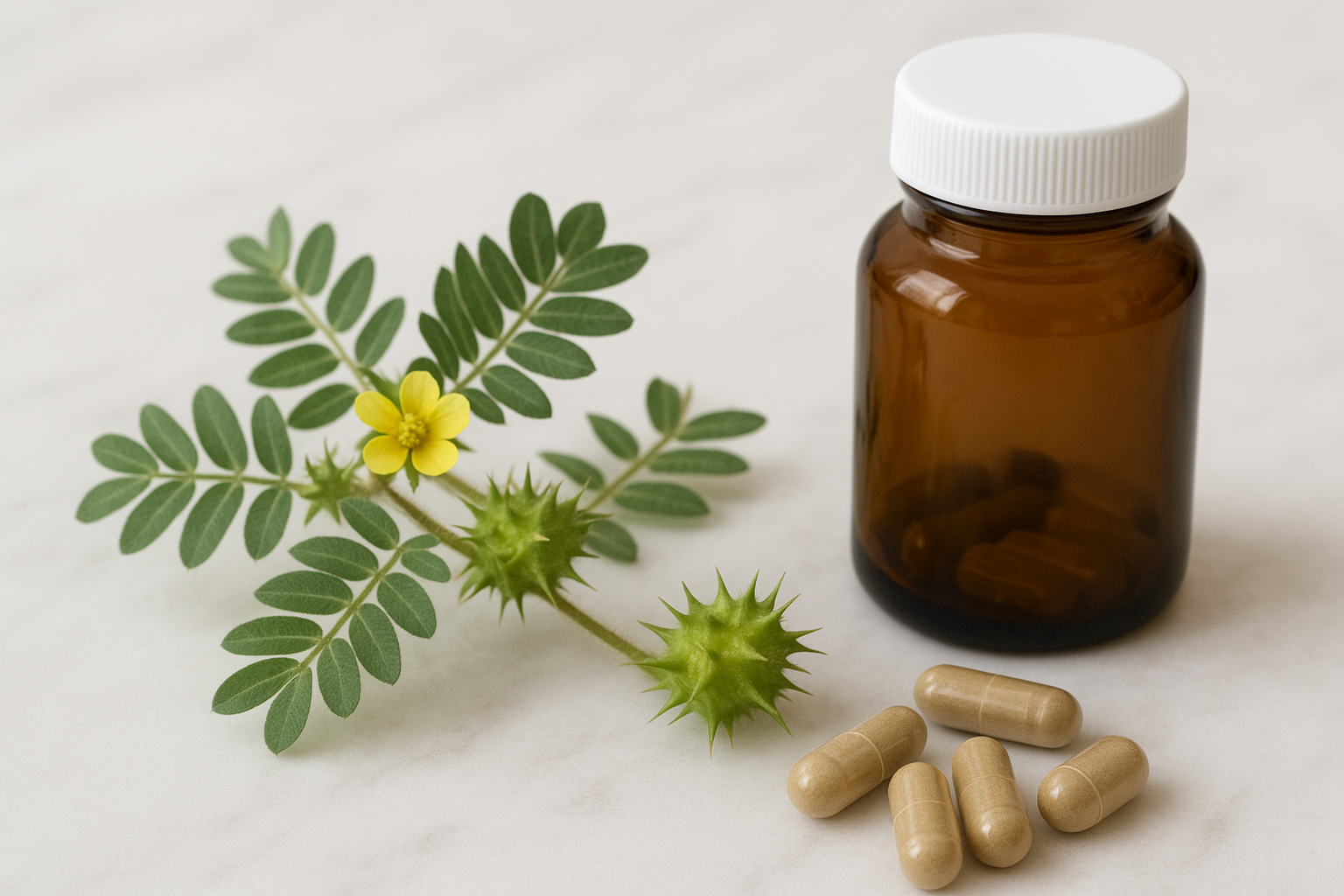
Tribulus terrestris is widely sold as a natural testosterone booster, but clinical research does not consistently support this claim.
What Does the Research Actually Say?
The evidence is clear and consistent. A 2014 systematic review published in the Journal of Dietary Supplements examined multiple randomized controlled trials and found no significant increase in serum testosterone in healthy men who supplemented with tribulus terrestris. Furthermore, a well-cited study in the International Journal of Sport Nutrition and Exercise Metabolism found that male rugby players who took tribulus for five weeks showed no changes in testosterone, strength, or lean muscle mass compared to placebo.
According to the National Institutes of Health’s National Library of Medicine, current evidence does not support tribulus as an effective testosterone-raising agent in humans. This is not a fringe opinion — it reflects the weight of peer-reviewed research.
However, there is a nuance worth acknowledging. Some studies in men with clinically low testosterone or specific fertility issues have shown modest improvements in libido and sexual function. These effects appear to be largely independent of testosterone levels, suggesting a separate mechanism. Therefore, tribulus may have a limited role in sexual wellness, but it is not a testosterone therapy by any reasonable clinical standard.
Why Do So Many Men Believe It Works?
The supplement industry spends enormous resources on marketing, and tribulus products are no exception. Additionally, the placebo effect is real and powerful — men who expect to feel better often do, at least temporarily. Furthermore, many men start taking tribulus alongside other lifestyle changes like improved sleep, better nutrition, or a new workout program. As a result, they attribute their improvements to the supplement rather than the accompanying habits.
Recognizing the Real Signs of Low Testosterone
If you are reaching for a tribulus testosterone booster, it is worth pausing to ask why. Many men who turn to supplements are actually experiencing genuine symptoms of low testosterone — a clinical condition that deserves a clinical response.
Common symptoms of low testosterone include:
- Persistent fatigue and low energy despite adequate sleep
- Reduced libido and sexual performance issues
- Difficulty gaining or maintaining muscle mass
- Increased body fat, especially around the abdomen
- Brain fog, poor concentration, and memory lapses
- Mood changes, including irritability or low motivation
- Reduced bone density over time
Specifically, these symptoms overlap significantly with other conditions, so a proper diagnosis requires blood work. A comprehensive hormone panel measuring total testosterone, free testosterone, LH, FSH, SHBG, and estradiol gives your physician the full picture. Consequently, self-treating with over-the-counter supplements without knowing your actual hormone levels is not an effective strategy.
How to Properly Assess Your Testosterone Status
Rather than guessing, follow a structured process to understand where your hormone levels actually stand. Here is a step-by-step approach:
- Track your symptoms. Write down everything you are experiencing — fatigue, libido changes, mood shifts, body composition changes — and note how long each has been present. This gives your physician important context.
- Get a comprehensive hormone panel. Book a blood test through a licensed physician or a clinic that specializes in hormone optimization. Measure total testosterone, free testosterone, LH, FSH, estradiol, and SHBG at minimum.
- Review results with a qualified clinician. A hormone specialist can interpret your results in context. Numbers alone do not tell the whole story — symptoms matter equally in clinical decision-making.
- Start a personalized, medically supervised protocol if indicated. If clinical low testosterone is confirmed, work with your physician on a tailored treatment plan that may include testosterone replacement therapy, lifestyle optimization, or both.

A physician-led hormone assessment is the most reliable way to determine whether you need medical testosterone therapy rather than an over-the-counter supplement.
Testosterone Replacement Therapy vs. Natural Supplements
Testosterone replacement therapy (TRT) is a physician-prescribed medical treatment that directly restores testosterone to clinically optimal levels. In contrast, supplements like tribulus attempt to nudge the body’s own production — and as the evidence shows, they largely fail to do so in healthy adults.
TRT delivers measurable, documented results. According to The Endocrine Society, testosterone therapy in men with hypogonadism (clinically low testosterone) consistently improves energy levels, sexual function, body composition, and mood. These are not anecdotal outcomes — they are backed by decades of clinical research and physician experience.
Furthermore, TRT is monitored and adjusted by a licensed medical professional, which ensures safety and efficacy. Supplements, by contrast, are not regulated as drugs. In Canada, natural health products fall under Health Canada’s Natural Health Products Regulations, which govern safety and labeling but do not require proof of efficacy before a product reaches store shelves.
What About Hormone Optimization for Women?
Hormonal decline is not exclusive to men. Women also experience significant shifts in testosterone, estrogen, and progesterone — particularly during perimenopause and menopause. If you are a woman experiencing similar symptoms, a hormone replacement therapy (HRT) program supervised by a qualified clinician may be far more appropriate than any over-the-counter supplement.
Evidence-Based Strategies That Actually Support Testosterone
Before considering any supplement or medical treatment, it is worth optimizing the fundamentals. Several lifestyle factors have strong clinical evidence for supporting healthy testosterone production:
- Resistance training: Compound movements like squats and deadlifts acutely elevate testosterone and support long-term hormonal health.
- Adequate sleep: Research shows that sleeping fewer than 5 hours per night can reduce testosterone levels by up to 15% in young men.
- Healthy body weight: Excess adipose tissue (body fat) increases aromatase activity, which converts testosterone to estrogen.
- Stress management: Chronically elevated cortisol directly suppresses testosterone production.
- Micronutrient sufficiency: Zinc and vitamin D deficiencies are associated with lower testosterone levels and are easily corrected.
In addition, if you want to understand your full hormonal picture before making any decisions, the Optimization Lab at tier1optimal.com offers comprehensive hormone panels designed specifically for health-conscious adults in Ontario.
Accessible, Clinician-Led Testosterone Care in Ontario
tier1optimal.com is a clinician-led hormone optimization clinic serving motivated adults across Ontario. The clinic offers physician-supervised testosterone replacement therapy, hormone replacement therapy, and metabolic health programs — all with transparent monthly pricing starting at $125. Rather than selling the promise of a supplement, the clinic delivers medically verified outcomes under direct physician oversight.
If you are already receiving hormone therapy elsewhere, the clinic also offers a prescription transfer service, making it straightforward to move your care to a more accessible and specialized provider.
Direct answer: A tribulus testosterone booster does not reliably raise testosterone levels in healthy men according to current clinical evidence. If you are experiencing symptoms of low testosterone, a physician-ordered hormone panel and medically supervised therapy are the appropriate next steps — not an over-the-counter herbal supplement.
Frequently Asked Questions About Tribulus Testosterone Booster
Does a tribulus testosterone booster actually raise testosterone levels?
Current clinical evidence does not support the claim that tribulus terrestris significantly raises testosterone levels in healthy men. Multiple randomized controlled trials have found no meaningful increase in serum testosterone after supplementation.
What is tribulus terrestris?
Tribulus terrestris is a flowering plant used in traditional Ayurvedic and Chinese medicine. It is widely marketed as a natural testosterone booster and libido enhancer, though clinical evidence for these claims is weak.
How does tribulus terrestris claim to boost testosterone?
Supplement manufacturers claim that steroidal saponins in tribulus, particularly protodioscin, stimulate luteinizing hormone (LH) release, which signals the testes to produce more testosterone. However, human studies have not consistently confirmed this mechanism.
Is tribulus terrestris safe to take?
Tribulus is generally considered safe at typical supplement doses for short-term use. However, it is not regulated as a drug, so quality and dosing can vary widely between products.
Can tribulus help with libido even if it doesn’t raise testosterone?
Some studies suggest tribulus may have a modest effect on libido independent of testosterone levels, possibly through other pathways. However, the evidence is not strong enough to make a definitive recommendation.
What are the symptoms of low testosterone?
Common symptoms include fatigue, reduced libido, difficulty building muscle, increased body fat, brain fog, and mood changes. A blood test is required to confirm a clinical diagnosis.
What is the difference between a testosterone supplement and testosterone replacement therapy?
Testosterone supplements like tribulus are over-the-counter products that claim to support natural testosterone production. Testosterone replacement therapy (TRT) is a physician-prescribed medical treatment that directly restores testosterone to clinically optimal levels with documented, measurable results.
How do I know if I need TRT instead of a supplement?
A licensed physician will order a comprehensive hormone panel to measure your testosterone levels. If levels are clinically low and symptoms are present, TRT is typically the medically appropriate option rather than over-the-counter supplements.
How quickly does testosterone replacement therapy work?
Many patients begin noticing improvements in energy and mood within 3 to 6 weeks of starting TRT. Full benefits, including changes in body composition and libido, often develop over 3 to 6 months of consistent treatment.
Are testosterone boosting supplements regulated in Canada?
In Canada, natural health products including testosterone boosting supplements are regulated by Health Canada under the Natural Health Products Regulations. However, regulation does not guarantee efficacy — only basic safety and labeling standards.
What lifestyle factors naturally support healthy testosterone levels?
Resistance training, adequate sleep, a nutrient-dense diet, stress management, and maintaining a healthy body weight are all evidence-based strategies that support healthy testosterone production. These should be the foundation before considering any supplement or medication.
How much does physician-supervised testosterone therapy cost in Ontario?
At tier1optimal.com, testosterone replacement therapy programs start at $125 per month. This accessible pricing removes a common barrier to clinically supervised hormonal care for Ontario residents.
Conclusion: Skip the Hype, Get the Facts
The tribulus testosterone booster is a popular product with a compelling marketing story — but the clinical evidence simply does not support its use as a meaningful testosterone-raising therapy. For men and women experiencing genuine symptoms of hormonal decline, the answer is not found in a supplement aisle. Instead, a proper hormone assessment, combined with physician-supervised care, delivers the kind of measurable, sustainable results that over-the-counter products cannot match. If you are ready to move beyond the hype and take a clinically grounded approach to your hormonal health, tier1optimal.com provides expert-led hormone optimization programs across Ontario at accessible monthly pricing — so that getting real answers to your health questions is no longer out of reach.