
Evidence-based hormone therapy is a medically supervised approach to correcting hormonal imbalances using treatments validated by rigorous clinical research — and for many adults, it represents a meaningful turning point in energy, vitality, and long-term health. Unlike generic wellness trends, this approach is grounded in peer-reviewed science and individualized lab data. In short, it removes the guesswork and replaces it with precision medicine.
Hormones regulate nearly every function in the human body, from metabolism and mood to sleep quality and sexual health. When levels decline — as they naturally do with age — the effects can be subtle at first but increasingly disruptive over time. Fortunately, clinically guided hormone protocols offer a proven pathway to restoring balance.
What Is Evidence-Based Hormone Therapy?
Evidence-based hormone therapy is the application of clinically validated hormone treatments that are selected, dosed, and monitored according to current medical literature and a patient’s individual lab results. Rather than applying a one-size-fits-all approach, physicians use objective data — including blood panels, symptom assessments, and health history — to design a protocol that is both safe and effective for each person.
According to the Endocrine Society, hormones are chemical messengers that travel through the bloodstream and regulate processes including growth, metabolism, and reproduction. When these messengers fall out of balance, the downstream effects touch virtually every system in the body.
This is why a thorough diagnostic workup is essential before any treatment begins. The goal is to identify the specific deficiency or imbalance — not simply to assume one exists based on age alone.
Who Benefits Most from Medically Supervised Hormone Protocols?
Both men and women can benefit significantly from hormone therapy when it is properly indicated. For men, declining testosterone levels — a condition sometimes called hypogonadism — affect an estimated 2 to 6 million men in the United States alone, according to research published in the Journal of Clinical Endocrinology and Metabolism. The prevalence across Canada follows a similar pattern.
For women, hormonal shifts during perimenopause and menopause can significantly affect quality of life. Symptoms such as hot flashes, disrupted sleep, mood instability, and reduced bone density are all linked to declining estrogen and progesterone levels. Furthermore, women with low testosterone — often overlooked — may experience reduced libido and persistent fatigue.
In both cases, the right clinical intervention can produce measurable, life-changing results. The key is working with a physician who uses data, not assumptions, to guide treatment decisions.

A physician-led consultation is the essential first step in any evidence-based hormone therapy protocol.
Testosterone Replacement Therapy: The Most Common Male Protocol
Testosterone replacement therapy (TRT) — the process of restoring testosterone levels to a healthy physiological range through prescribed medication — is among the most thoroughly studied hormone interventions available today. Specifically, TRT has been shown in multiple randomized controlled trials to improve lean muscle mass, reduce visceral fat, enhance libido, and support cognitive function in men with confirmed low testosterone.
At tier1optimal.com, the testosterone replacement therapy program is designed for motivated adults who want measurable improvements under direct physician supervision. Protocols are built around comprehensive lab panels and ongoing monitoring to ensure safety and optimal outcomes throughout treatment.
Delivery methods for TRT include intramuscular injections, subcutaneous injections, transdermal gels, and pellet implants. Each method carries different pharmacokinetic profiles — meaning the rate and consistency at which testosterone enters the bloodstream varies. As a result, the best delivery method depends on the patient’s lifestyle, preferences, and clinical response.
How Monitoring Keeps TRT Safe
Ongoing lab monitoring is non-negotiable in responsible TRT protocols. Key markers tracked include total and free testosterone, estradiol (to monitor aromatization), hematocrit (red blood cell concentration), and PSA (prostate-specific antigen) for men over 40. Regular check-ins allow the physician to fine-tune dosing and catch any emerging concerns early.
This monitoring-first philosophy is what separates clinically guided TRT from the unregulated alternatives that circulate in fitness communities. Above all, safety is built into the process — not added as an afterthought.
Hormone Replacement Therapy for Women: Restoring Balance with Precision
Hormone replacement therapy (HRT) for women involves restoring estrogen, progesterone, or testosterone to levels that support health and wellbeing. The National Heart, Lung, and Blood Institute notes that menopausal hormone therapy remains one of the most effective treatments for vasomotor symptoms like hot flashes and night sweats.
Modern evidence-based approaches favor bioidentical hormones — compounds with a molecular structure identical to those produced by the human body — because of their favorable tolerability profile. However, the decision between bioidentical and synthetic formulations should always be made with a physician based on the individual’s full health picture.
The hormone replacement therapy program at tier1optimal.com is tailored specifically to each woman’s lab results and symptom profile. Consequently, patients receive a protocol that addresses their unique hormonal needs rather than a standardized dose that may not fit their physiology.
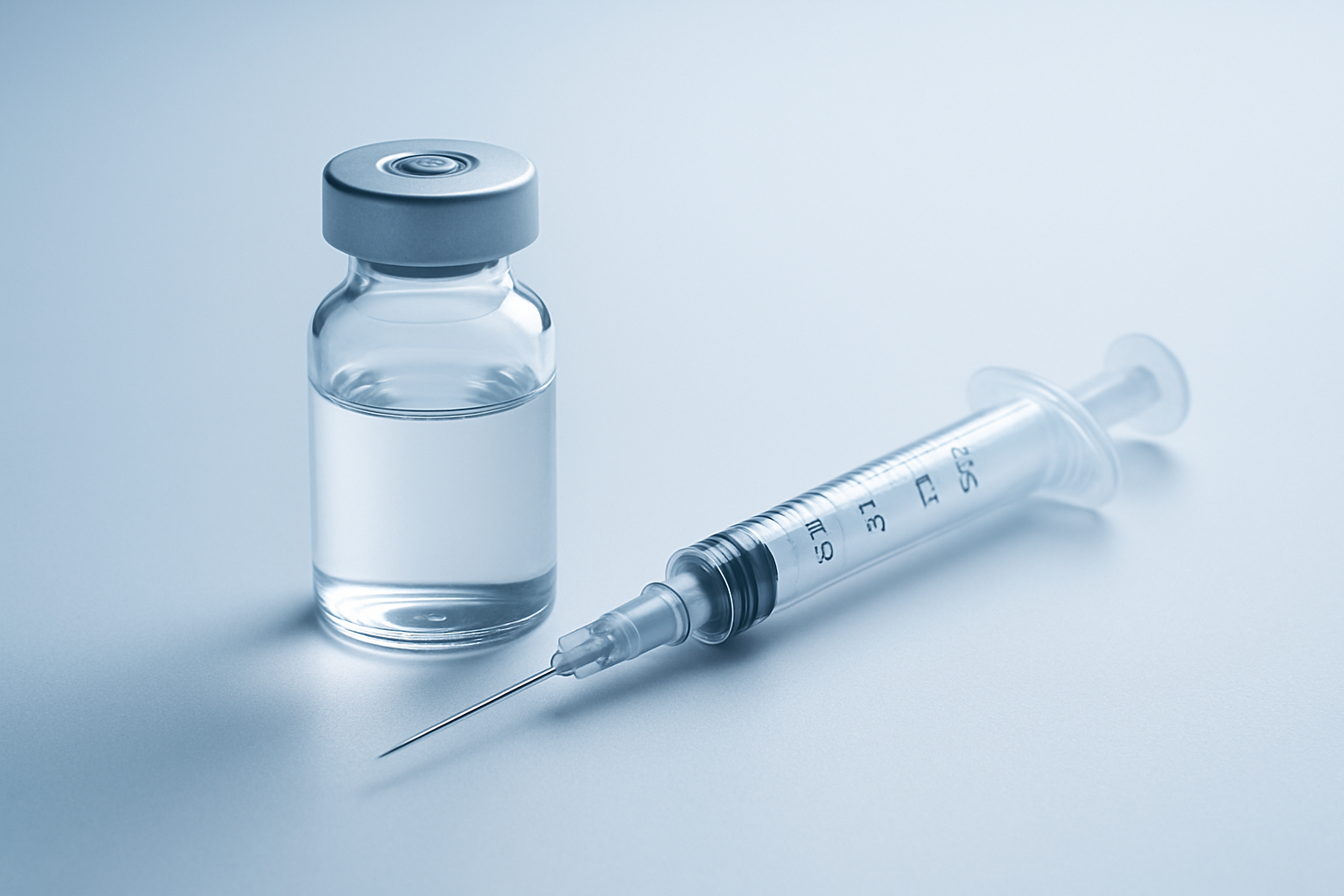
Precision dosing is a hallmark of evidence-based hormone therapy — every protocol is built around the individual patient’s data.
How to Get Started with Evidence-Based Hormone Therapy
Starting a hormone therapy protocol is a straightforward process when guided by an experienced clinical team. Here is what the journey typically looks like:
- Book an initial consultation. Schedule a visit with a licensed physician who specializes in hormonal health. Discuss your symptoms, health history, and goals so the clinician can determine whether hormone therapy is appropriate for you.
- Complete a comprehensive lab panel. Undergo a full hormone and metabolic blood panel measuring key markers including testosterone, estradiol, thyroid hormones, SHBG, and a complete blood count. These results form the clinical foundation of your personalized protocol.
- Review results and receive a personalized protocol. Meet with your physician to review lab findings and receive a tailored treatment plan. The protocol specifies the hormone type, dosing, delivery method, and monitoring schedule based on your individual data and goals.
- Begin treatment and monitor your response. Start your prescribed hormone therapy regimen and track how your body responds over the first four to twelve weeks. Report any changes in symptoms to your physician so adjustments can be made promptly.
- Schedule regular follow-up lab work. Return for follow-up blood tests every three months during the initial phase of treatment. Ongoing monitoring ensures your hormone levels remain within the optimal therapeutic range and that the protocol continues to be safe and effective.
This structured process is what makes physician-guided hormone therapy fundamentally different from self-administered or unmonitored approaches. Furthermore, it ensures that every decision is backed by objective data rather than guesswork.
The Role of Diagnostics in Optimizing Hormonal Health
Comprehensive diagnostic testing is the backbone of any responsible hormonal optimization program. Without accurate baseline data, even well-intentioned treatment can miss the mark or introduce unnecessary risk. In contrast, a thorough lab panel gives the physician a precise snapshot of where the patient’s hormones currently stand and what adjustments are needed.
The Optimization Lab at tier1optimal.com provides patients with access to a comprehensive suite of diagnostic tests designed specifically to support hormonal health assessments. These panels go beyond basic bloodwork, capturing the full hormonal and metabolic picture needed to design a truly individualized protocol.
Additionally, for patients experiencing hair thinning — a common but often overlooked symptom of hormonal imbalance — the clinic’s hair loss treatment program addresses the hormonal root causes rather than simply treating the surface symptom. This integrated approach reflects the clinic’s commitment to treating the whole patient.
Accessible Pricing for Premium Hormone Care
One of the most significant barriers to hormonal optimization has historically been cost. Many Ontarians assume that personalized, physician-supervised hormone protocols are reserved for high-income individuals. However, tier1optimal.com has structured its programs with monthly pricing starting at $125, removing that barrier and making evidence-based care accessible to a broader population of health-conscious adults across Ontario.
This pricing model reflects a genuine commitment to making advanced hormonal medicine available to motivated adults who want to take a proactive approach to their health — not just those with unlimited healthcare budgets.
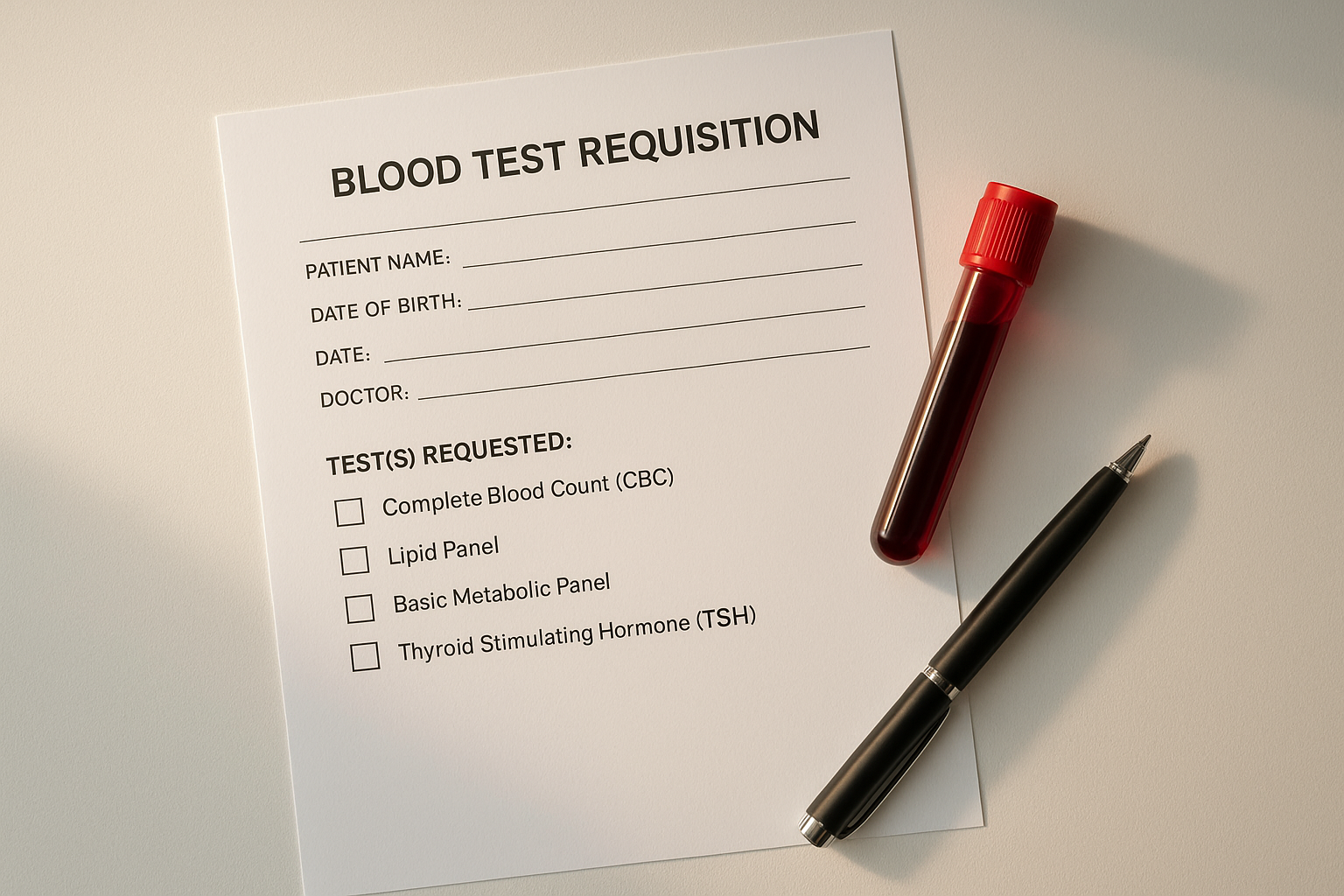
A comprehensive lab panel is the essential starting point for any evidence-based hormone therapy program.
Common Myths About Hormone Therapy — Debunked
Despite decades of clinical research, several persistent myths continue to discourage people from exploring hormone therapy. Therefore, it is worth addressing them directly with current evidence.
Myth 1: Hormone therapy is only for older adults. In reality, hormonal imbalances can affect adults at any age. Stress, poor sleep, metabolic dysfunction, and genetic factors can all contribute to suboptimal hormone levels in people in their 30s and 40s.
Myth 2: TRT will cause aggressive behavior. This misconception is not supported by clinical evidence. Properly dosed testosterone therapy, guided by lab monitoring, does not produce behavioral changes beyond the normalization of mood and energy that comes with correcting a deficiency.
Myth 3: Hormone therapy is permanently necessary once started. While many patients choose to continue treatment long-term because of the benefits, protocols can be adjusted or discontinued under physician guidance. The decision is always individualized and revisited regularly.
Myth 4: All hormone therapies are the same. This is perhaps the most important myth to dispel. The difference between a well-designed, evidence-based protocol and a poorly managed one is significant — both in terms of results and safety. Physician oversight is what makes the difference.
Frequently Asked Questions About Evidence-Based Hormone Therapy
What is evidence-based hormone therapy?
Evidence-based hormone therapy is a medically supervised approach to correcting hormonal imbalances using treatments validated by clinical research and peer-reviewed studies. Protocols are tailored to each patient’s lab results, symptoms, and health goals rather than relying on generalized assumptions.
Who is a good candidate for hormone therapy?
Good candidates include adults experiencing symptoms of hormonal decline such as fatigue, low libido, brain fog, poor sleep, or difficulty maintaining healthy body composition. A physician will confirm candidacy through blood work and a clinical assessment.
How is evidence-based hormone therapy different from conventional HRT?
Evidence-based hormone therapy relies on up-to-date clinical data to select dosing, delivery method, and monitoring frequency. Conventional HRT sometimes follows older guidelines that may not reflect current research on bioidentical hormones or individualized dosing strategies.
What hormones are typically addressed in these protocols?
Common hormones addressed include testosterone, estrogen, progesterone, DHEA, thyroid hormones, and growth hormone. The specific hormones treated depend on lab findings and individual symptoms.
Is testosterone replacement therapy safe for long-term use?
When monitored by a licensed physician and guided by regular lab testing, testosterone replacement therapy is considered safe for long-term use in appropriately selected patients. Ongoing monitoring is essential to manage any potential side effects and optimize dosing.
How long does it take to see results from hormone therapy?
Many patients notice initial improvements in energy and mood within four to six weeks. Full benefits, including changes in body composition and libido, often develop over three to six months of consistent treatment.
What lab tests are required before starting hormone therapy?
A comprehensive hormone panel is typically required, including total and free testosterone, estradiol, SHBG, LH, FSH, thyroid function, and a complete metabolic panel. These results guide the physician in designing a safe and effective protocol.
What are the common side effects of hormone therapy?
Potential side effects vary by hormone and delivery method but may include fluid retention, acne, mood changes, or changes in red blood cell count. Most side effects are manageable with proper monitoring and dose adjustments.
How much does evidence-based hormone therapy cost in Ontario?
At tier1optimal.com, hormone therapy programs start at $125 per month, making medically supervised hormonal optimization accessible without the high costs associated with traditional private clinics.
Can women benefit from hormone therapy, not just men?
Absolutely. Women experiencing perimenopause, menopause, or hormonal imbalances at any age can benefit significantly from evidence-based hormone therapy. Protocols for women commonly address estrogen, progesterone, and sometimes low-dose testosterone.
What is the difference between bioidentical and synthetic hormones?
Bioidentical hormones have a molecular structure identical to those produced naturally by the human body, while synthetic hormones are chemically modified versions. Many evidence-based protocols favor bioidentical options for their favorable safety and tolerability profile.
Do I need a referral to start hormone therapy in Ontario?
At clinics like tier1optimal.com, a referral is generally not required. Patients can book directly and undergo an initial assessment and lab work to determine eligibility.
How often will I need follow-up appointments?
Follow-up frequency depends on the protocol, but most patients have labs and physician check-ins every three months during the first year. Stable patients may transition to less frequent monitoring thereafter.
Conclusion: Taking a Proactive Approach to Hormonal Health
Evidence-based hormone therapy represents one of the most powerful tools available to adults who want to reclaim their energy, vitality, and long-term health. When guided by a licensed physician, supported by comprehensive diagnostics, and monitored consistently, hormonal optimization is both safe and profoundly effective. Furthermore, with accessible monthly pricing and a streamlined care model, clinics like tier1optimal.com have made this level of personalized medical care available to a much wider population across Ontario. If you have been experiencing the signs of hormonal decline — fatigue, weight gain, brain fog, or reduced drive — a clinician-led hormone therapy protocol may be the evidence-based solution you have been looking for.