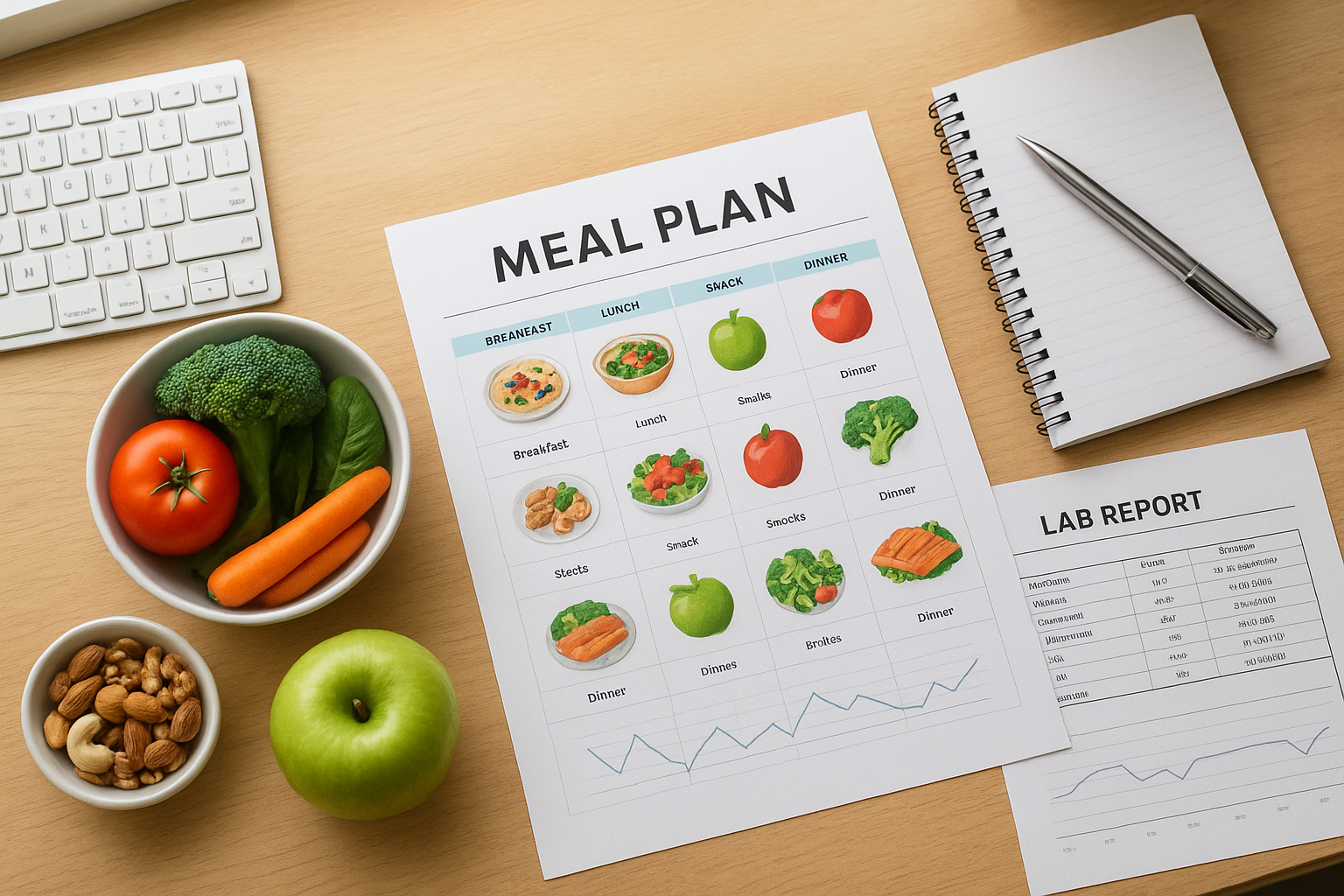
Nutritional counselling for hormone health is a structured, clinician-guided process that uses targeted dietary strategies to support optimal hormone production, balance, and regulation. Whether you are managing a clinical hormone deficiency or simply looking to perform at your best, what you eat directly shapes the hormonal environment your body operates in every single day.
Research consistently shows that diet is one of the most powerful modifiable factors influencing hormonal function. In fact, according to the National Institutes of Health, nutritional deficiencies in key micronutrients like zinc and vitamin D are independently associated with lower testosterone levels in adult men. Understanding this connection is the first step toward taking control of your hormonal health.
What Is Nutritional Counselling for Hormone Health?
Nutritional counselling for hormone health is more specialized than a standard dietary consultation. It focuses specifically on the foods, macronutrients, and micronutrients that directly influence the synthesis, metabolism, and regulation of hormones such as testosterone, estrogen, cortisol, insulin, and thyroid hormones.
A trained clinician or hormone-focused practitioner will assess your current diet, review relevant lab markers, and design a personalized nutrition plan. This plan targets the specific hormonal pathways that need support. Furthermore, it integrates seamlessly with any medical hormone therapy you may already be receiving.
In short, this approach treats food as medicine — not in a vague, general sense, but in a precise, evidence-based way tied to your actual biology.
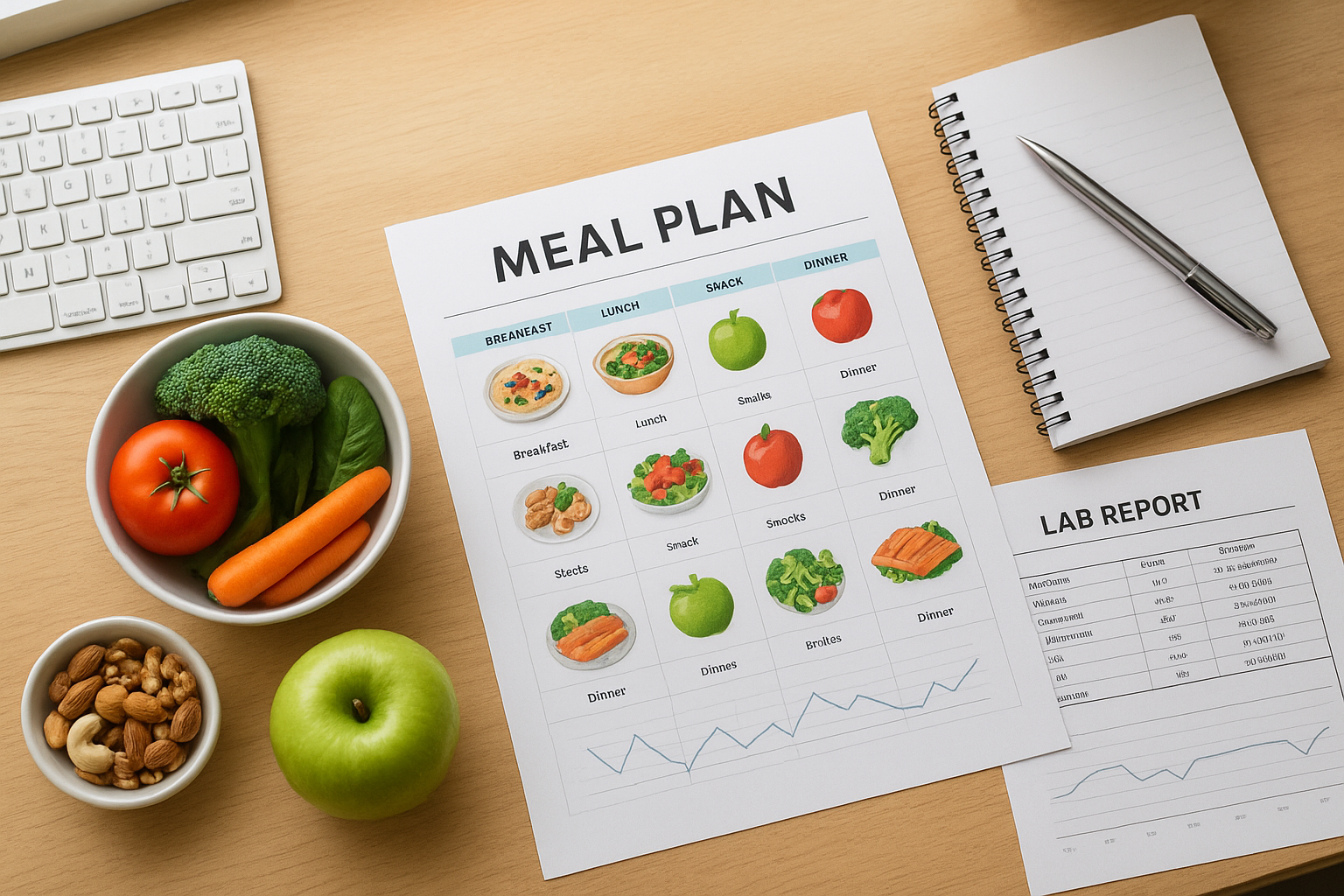
A personalized nutrition plan built around your lab results is the foundation of effective nutritional counselling for hormone health.
How Diet Directly Influences Hormone Production
Hormones are not produced in a vacuum. They require specific nutritional building blocks to be synthesized at all. For example, testosterone and other steroid hormones are derived directly from cholesterol — meaning that excessively low-fat diets can suppress natural hormone output.
Similarly, the amino acids found in dietary protein are essential for producing peptide hormones like insulin, growth hormone, and IGF-1. Therefore, inadequate protein intake does not just affect muscle — it impairs the entire hormonal signalling network that governs energy, recovery, and metabolism.
Carbohydrate quality matters just as much. Refined sugars and high-glycemic foods spike insulin rapidly, which over time contributes to insulin resistance — a condition that disrupts testosterone, elevates estrogen in men, and drives fat storage. According to the World Health Organization, obesity and metabolic dysfunction are now global epidemics, and both are deeply intertwined with hormonal disruption driven in part by poor dietary patterns.
Key Nutrients That Support Hormonal Balance
Several micronutrients play outsized roles in maintaining hormonal equilibrium. Ensuring adequate intake of these through diet — and supplementation when necessary — is a core component of hormone-focused nutrition:
- Zinc: Critical for testosterone synthesis and LH receptor sensitivity. Found in oysters, red meat, pumpkin seeds, and legumes.
- Vitamin D: Functions as a steroid hormone precursor. Low levels are strongly correlated with reduced testosterone and impaired thyroid function.
- Magnesium: Supports free testosterone levels by reducing SHBG binding. Found in leafy greens, nuts, and whole grains.
- Omega-3 Fatty Acids: Reduce systemic inflammation and support cortisol regulation. Found in fatty fish, flaxseed, and walnuts.
- B Vitamins (especially B6 and B12): Essential for adrenal hormone production and neurotransmitter synthesis that governs stress hormones.
The Step-by-Step Process for Hormone-Focused Nutrition
Implementing nutritional counselling effectively requires a structured approach. Below is the five-step process used in clinically supervised hormone optimization programs:
- Get Baseline Hormone and Nutrient Lab Testing. Request a comprehensive blood panel measuring testosterone, estradiol, cortisol, DHEA-S, thyroid markers, vitamin D, zinc, and magnesium. This data eliminates guesswork and reveals exactly where your hormonal and nutritional gaps lie.
- Eliminate Hormone-Disrupting Foods. Remove processed foods, refined sugars, industrial seed oils, and excess alcohol. These are the primary dietary contributors to inflammation, insulin resistance, and hormonal disruption in both men and women.
- Build a Hormone-Supporting Macronutrient Framework. Structure daily meals around 1.6 to 2.2 g of protein per kg of body weight, healthy fats from avocado, olive oil, and fatty fish, and complex carbohydrates from vegetables and whole grains.
- Supplement Targeted Micronutrient Deficiencies. Based on your lab results, address deficiencies in vitamin D, zinc, magnesium, and omega-3s through dietary adjustments and physician-approved supplementation.
- Monitor Progress and Adjust With Medical Supervision. Schedule follow-up lab testing every 90 days. Adjust your dietary plan in collaboration with a licensed clinician to ensure continued progress and safety.
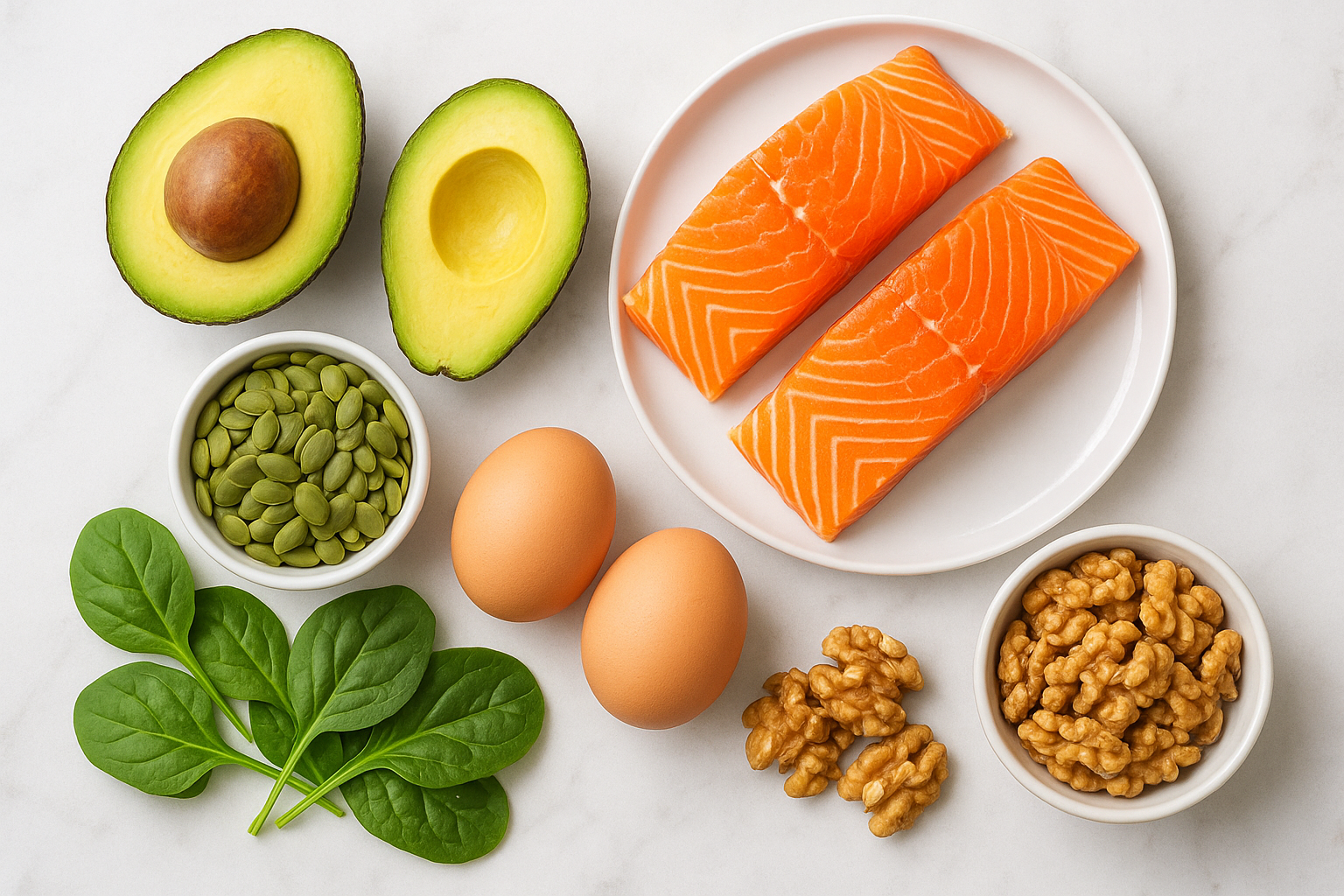
Foods rich in zinc, healthy fats, and omega-3 fatty acids form the nutritional foundation for balanced hormone production.
How Nutrition Enhances Medical Hormone Therapy
Nutritional counselling does not replace medical hormone therapy — instead, it amplifies its effectiveness. For individuals receiving testosterone replacement therapy or hormone replacement therapy, dietary optimization creates a more receptive metabolic environment for those treatments to work in.
For instance, adequate dietary fat intake supports the transport and utilization of exogenous testosterone. Likewise, controlling insulin through low-glycemic eating reduces aromatase activity — the enzyme that converts testosterone to estrogen — which helps preserve the benefits of TRT. Consequently, patients who combine medical therapy with sound nutritional practices typically report better outcomes in energy, body composition, and mood.
Similarly, those on human growth hormone protocols benefit significantly from adequate protein intake and strategic carbohydrate timing. Growth hormone’s anabolic effects are maximized when the body has sufficient amino acids available for tissue repair and muscle synthesis.
Gut Health and Hormonal Regulation
One often-overlooked dimension of hormone-focused nutrition is gut health. The gut microbiome contains a specialized community of bacteria called the estrobolome, which directly regulates estrogen metabolism and recirculation. A disrupted microbiome — caused by poor diet, antibiotics, or chronic stress — can lead to estrogen dominance even in individuals with otherwise healthy hormone levels.
Therefore, incorporating fermented foods like yogurt, kefir, and kimchi, along with prebiotic fiber from vegetables and legumes, is a meaningful component of any hormone-focused dietary plan. According to research published by Harvard Health Publishing, the gut-brain axis also influences cortisol and stress hormone regulation — further reinforcing the importance of digestive health in hormonal balance.
Dietary Patterns Best Suited for Hormonal Optimization
While individual needs vary, certain dietary frameworks consistently produce the best hormonal outcomes. The Mediterranean diet, for example, is rich in olive oil, fish, vegetables, and legumes — all of which reduce inflammation, support healthy testosterone levels, and improve insulin sensitivity.
Low-glycemic eating approaches are particularly effective for individuals dealing with insulin resistance, cortisol dysregulation, or weight-related hormonal disruption. In contrast, very low-calorie diets and extreme caloric restriction tend to suppress thyroid function and lower testosterone — making them counterproductive for most hormone optimization goals.
Intermittent fasting, when implemented correctly, can improve insulin sensitivity and growth hormone pulsatility. However, it should be approached cautiously and ideally under medical supervision, particularly for those already receiving hormone therapy.
Working With a Hormone-Focused Clinic in Ontario
For Ontarians seeking a comprehensive approach, integrating nutritional counselling with physician-supervised hormone therapy offers the most complete path to optimization. At tier1optimal.com, the clinical team provides personalized, evidence-based protocols that combine hormonal assessment, medical treatment, and lifestyle guidance — all under the supervision of licensed medical professionals.
The optimization lab offers comprehensive testing to identify both hormonal and nutritional deficiencies, giving clinicians the data they need to build truly personalized plans. This removes the guesswork that often undermines self-directed attempts at hormonal improvement.
If you are ready to take a proactive, medically grounded approach to your health, you can get started here and connect with the clinical team to discuss your goals and current health profile.
Frequently Asked Questions About Nutritional Counselling for Hormone Health
What is nutritional counselling for hormone health?
Nutritional counselling for hormone health is a structured, clinician-guided approach to using diet and food choices to support optimal hormonal balance. It involves identifying nutrient deficiencies, adjusting macronutrient ratios, and selecting foods that directly influence hormone production and regulation. This approach is often used alongside medical hormone therapy for maximum effect.
Which nutrients are most important for hormone production?
Zinc, magnesium, vitamin D, and healthy dietary fats are among the most critical nutrients for hormone production. These micronutrients serve as raw materials or cofactors in the synthesis of testosterone, estrogen, cortisol, and other key hormones. Deficiencies in any of these can measurably reduce hormonal output.
Can diet alone fix a hormone imbalance?
Diet can significantly improve mild hormonal imbalances, but it is rarely sufficient on its own for clinical deficiencies. In those cases, physician-supervised therapies such as TRT or HRT are typically required alongside nutritional strategies. The two approaches work best together.
How does sugar affect hormone levels?
Excess sugar raises insulin levels, which can suppress testosterone, increase estrogen dominance, and elevate cortisol. Reducing refined carbohydrates is one of the most impactful dietary changes for hormonal balance. Even modest reductions in sugar intake can produce measurable improvements in hormonal markers within weeks.
What foods should I avoid for better hormone health?
Processed foods, refined sugars, industrial seed oils, and excessive alcohol are the primary dietary offenders for hormone disruption. These items promote inflammation, impair liver detoxification of hormones, and spike insulin. Eliminating or significantly reducing these is the first practical step in any hormone-focused nutrition plan.
Does nutritional counselling support testosterone replacement therapy?
Yes. Nutritional counselling enhances the effectiveness of testosterone replacement therapy by optimizing the metabolic environment in which the therapy operates. Adequate protein intake, healthy fats, and micronutrient sufficiency all improve TRT outcomes. Patients who combine TRT with sound nutrition typically experience better energy, body composition, and mood results.
How long does it take for dietary changes to affect hormones?
Most people notice measurable changes in energy and mood within four to eight weeks of consistent dietary improvements. Full hormonal recalibration through diet alone may take three to six months. Lab testing at 90-day intervals helps track progress objectively.
Is nutritional counselling different from a regular dietitian visit?
Hormone-focused nutritional counselling is more specialized than a general dietitian visit. It specifically targets the hormonal and metabolic pathways affected by diet, often in conjunction with lab testing and medical supervision. General dietitian visits typically focus on broader dietary health without this level of hormonal specificity.
What role does gut health play in hormone balance?
The gut microbiome directly influences estrogen metabolism through a collection of bacteria called the estrobolome. Poor gut health can lead to estrogen recirculation, contributing to imbalances in both men and women. Supporting gut health through fiber, fermented foods, and probiotics is therefore a meaningful part of hormone-focused nutrition.
Can nutritional counselling help with weight loss related to hormones?
Absolutely. Hormonal imbalances — particularly low testosterone, elevated cortisol, and insulin resistance — are leading drivers of stubborn weight gain. Targeted nutritional counselling addresses these root causes to support sustainable fat loss. Combined with physician-guided weight loss medications when appropriate, the results can be significantly more effective.
How much protein should I eat to support hormone health?
Most clinicians recommend 1.6 to 2.2 grams of protein per kilogram of body weight daily for adults focused on hormonal and metabolic optimization. Adequate protein supports IGF-1 production, muscle maintenance, and satiety hormones. Spreading protein intake evenly across meals improves absorption and anabolic signalling.
Are there specific diets best suited for hormonal balance?
Whole-food diets rich in lean proteins, healthy fats, and fibrous vegetables consistently show the best hormonal outcomes. Mediterranean-style and low-glycemic approaches are particularly well-supported by research. In contrast, extreme caloric restriction and very low-fat diets tend to suppress testosterone and thyroid function.
Conclusion
Nutritional counselling for hormone health is one of the most evidence-based, high-impact strategies available to adults who want to take genuine control of their hormonal wellbeing. By addressing the dietary foundations of hormone production — adequate healthy fats, sufficient protein, targeted micronutrients, and low-glycemic carbohydrates — you create the biological conditions in which your hormones can function optimally. Furthermore, when combined with physician-supervised therapies like TRT, HRT, or growth hormone protocols, a sound nutritional strategy amplifies every aspect of your treatment outcomes. Whether you are just beginning your hormone health journey or looking to optimize an existing medical program, working with a clinician who understands both the nutritional and medical dimensions of hormonal health is the most direct path to lasting results.