
Holistic hormone therapy is a comprehensive, whole-person approach to restoring hormonal balance — one that considers your lifestyle, stress levels, nutrition, and medical history alongside targeted hormone protocols. Rather than treating a single symptom in isolation, this approach examines the entire endocrine system to identify root causes and design personalized solutions. For motivated adults across Ontario, it represents a meaningful shift away from reactive medicine toward proactive, optimized health.

A personalized holistic hormone therapy consultation begins with a thorough review of your health profile and lab results.
What Is Holistic Hormone Therapy?
Holistic hormone therapy integrates evidence-based hormone protocols with broader health optimization strategies. In essence, it treats the person — not just the lab value. Hormones like testosterone, estrogen, progesterone, cortisol, and thyroid hormones function as an interconnected network. Therefore, adjusting one without considering the others can produce incomplete or even counterproductive results.
According to the Endocrine Society, hormonal imbalances affect millions of adults and are linked to fatigue, weight gain, mood disorders, and reduced cognitive performance. Furthermore, these imbalances often go undiagnosed for years because conventional care tends to address symptoms individually rather than systemically.
Holistic hormone therapy changes that framework entirely. It starts with comprehensive lab testing, then layers in physician-guided hormone protocols, lifestyle modification, and ongoing monitoring — all working together toward sustainable vitality.
Why Hormonal Balance Matters for High-Performing Adults
Hormones govern virtually every aspect of your physiology — from how efficiently you burn fat to how clearly you think under pressure. Consequently, even subtle hormonal shifts can have outsized effects on performance, mood, and body composition. Research published in the New England Journal of Medicine demonstrated that testosterone deficiency in men is associated with decreased muscle mass, increased visceral fat, and reduced bone density — all of which worsen progressively without intervention.
Similarly, women navigating perimenopause or menopause experience declining estrogen and progesterone levels that can disrupt sleep, increase cardiovascular risk, and impair cognitive function. In both cases, a proactive, clinician-supervised approach makes a measurable difference. That is precisely why driven, health-conscious adults are increasingly turning to medically supervised hormone optimization programs.
Key Insight: A 2019 meta-analysis found that testosterone replacement therapy in men with confirmed hypogonadism significantly improved lean body mass, sexual function, and quality of life scores — underscoring the clinical value of targeted hormone optimization when properly supervised.
Core Components of a Whole-Body Hormone Optimization Plan
A well-designed hormone optimization plan does not rely on a single intervention. Instead, it weaves together several evidence-based components that reinforce one another. Below are the pillars that define an effective, integrated approach.
1. Comprehensive Diagnostic Testing
Effective treatment starts with precise measurement. A full hormone panel typically includes total and free testosterone, estradiol, progesterone, LH, FSH, SHBG, thyroid function (TSH, T3, T4), cortisol, and a complete metabolic panel. These results reveal where deficiencies or excesses exist and guide the protocol design. Without this foundation, treatment is essentially guesswork.
2. Physician-Prescribed Hormone Protocols
Depending on your lab results and symptoms, your clinician may prescribe testosterone replacement therapy (TRT), hormone replacement therapy (HRT), or human growth hormone (HGH) protocols. Each protocol is tailored to the individual — dosing, delivery method, and timing are all calibrated to your specific physiology. In Canada, these medications require a physician’s prescription, so working with a licensed medical team is both a legal and clinical necessity.
3. Lifestyle Integration
Hormone therapy works best when supported by consistent lifestyle habits. Resistance training, for example, naturally amplifies testosterone signaling and improves insulin sensitivity. Adequate sleep — typically 7 to 9 hours per night — is essential for cortisol regulation and growth hormone secretion. Furthermore, an anti-inflammatory diet rich in healthy fats, lean proteins, and micronutrients provides the raw materials your body needs to produce and utilize hormones efficiently.
4. Ongoing Monitoring and Dose Adjustment
Hormonal needs change over time. As a result, follow-up blood work at 6 to 12 week intervals is a non-negotiable part of any responsible program. Regular monitoring allows your clinician to fine-tune dosing, catch any emerging imbalances early, and ensure your levels remain within the optimal therapeutic range. This iterative process is what separates holistic hormone therapy from one-time prescriptions.
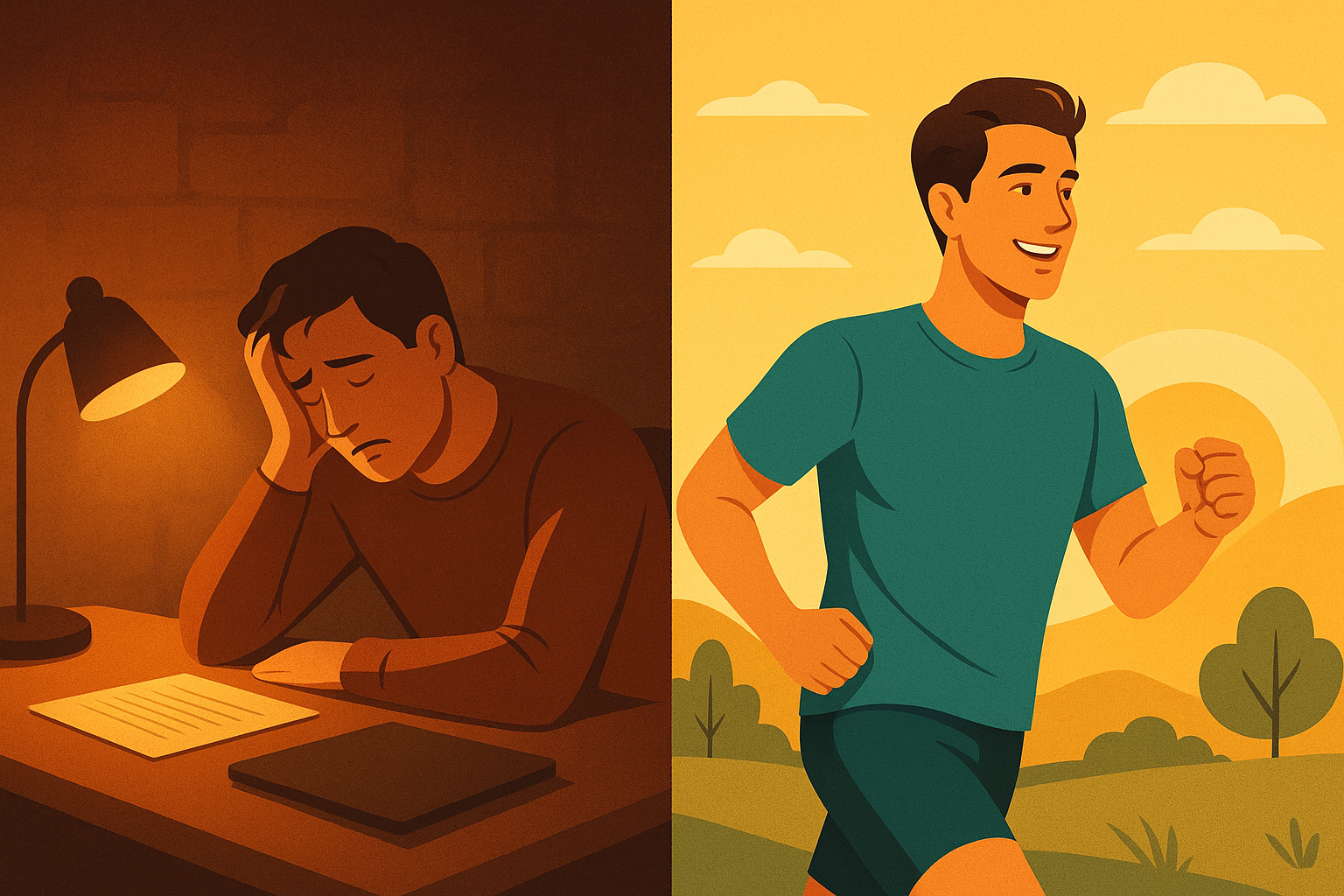
Restoring hormonal balance can dramatically improve energy, mood, and physical performance over time.
How to Get Started with Holistic Hormone Therapy
Starting a hormone optimization program is more straightforward than most people expect. Follow these five steps to begin your journey toward balanced, optimized health.
- Schedule an Initial Consultation. Book an appointment with a clinician who specializes in hormone optimization. Discuss your symptoms, health history, and specific goals in detail so the physician can determine the appropriate next steps.
- Complete a Comprehensive Hormone Lab Panel. Undergo a full blood panel measuring testosterone, estrogen, progesterone, thyroid hormones, cortisol, and other key biomarkers to establish your hormonal baseline before any treatment begins.
- Review Results and Design Your Protocol. Work closely with your physician to interpret lab results. Together, you will create a personalized hormone therapy protocol tailored to your specific deficiencies, lifestyle, and health objectives.
- Begin Treatment and Integrate Lifestyle Strategies. Start your prescribed hormone protocol while also implementing supportive habits — resistance training, improved sleep hygiene, stress management, and nutritional adjustments that amplify your results.
- Monitor Progress with Regular Follow-Up Testing. Schedule follow-up blood work every 6 to 12 weeks so your clinician can fine-tune dosing and confirm your hormone levels remain within the optimal therapeutic range throughout your program.
Hormone Therapy for Men vs. Women: Key Differences
While the principles of holistic hormone optimization apply across genders, the specific protocols differ considerably. For men, the primary focus is often on restoring testosterone to healthy physiological levels — a condition known as hypogonadism affects an estimated 2 to 6 million men in the United States alone, according to the National Institutes of Health. TRT, when properly supervised, can restore energy, libido, muscle mass, and mental sharpness.
For women, the picture is more complex. Estrogen, progesterone, and even testosterone all play important roles in female hormonal health. Specifically, estrogen decline during perimenopause and menopause is associated with hot flashes, sleep disruption, bone loss, and cardiovascular changes. HRT, when tailored appropriately, can address these issues effectively and safely under medical supervision. The optimization lab at tier1optimal.com provides advanced testing to support both male and female hormone programs.
Accessing Clinician-Led Hormone Programs in Ontario
One of the most common barriers to hormone therapy has historically been cost and access. However, that is changing. tier1optimal.com is a clinician-led health optimization clinic based in Ontario that offers physician-supervised hormone programs — including TRT, HRT, and HGH protocols — starting at just $125 per month. This accessible pricing removes the financial obstacles that have traditionally kept advanced hormonal care out of reach for many health-conscious adults.
The clinic’s approach is built around personalized, evidence-based medicine. Rather than offering generic protocols, the clinical team tailors every treatment plan to the individual’s lab results, symptoms, and goals. This commitment to individualized care is what defines a genuinely holistic approach — and it is what consistently produces measurable, sustainable outcomes for patients across Ontario.
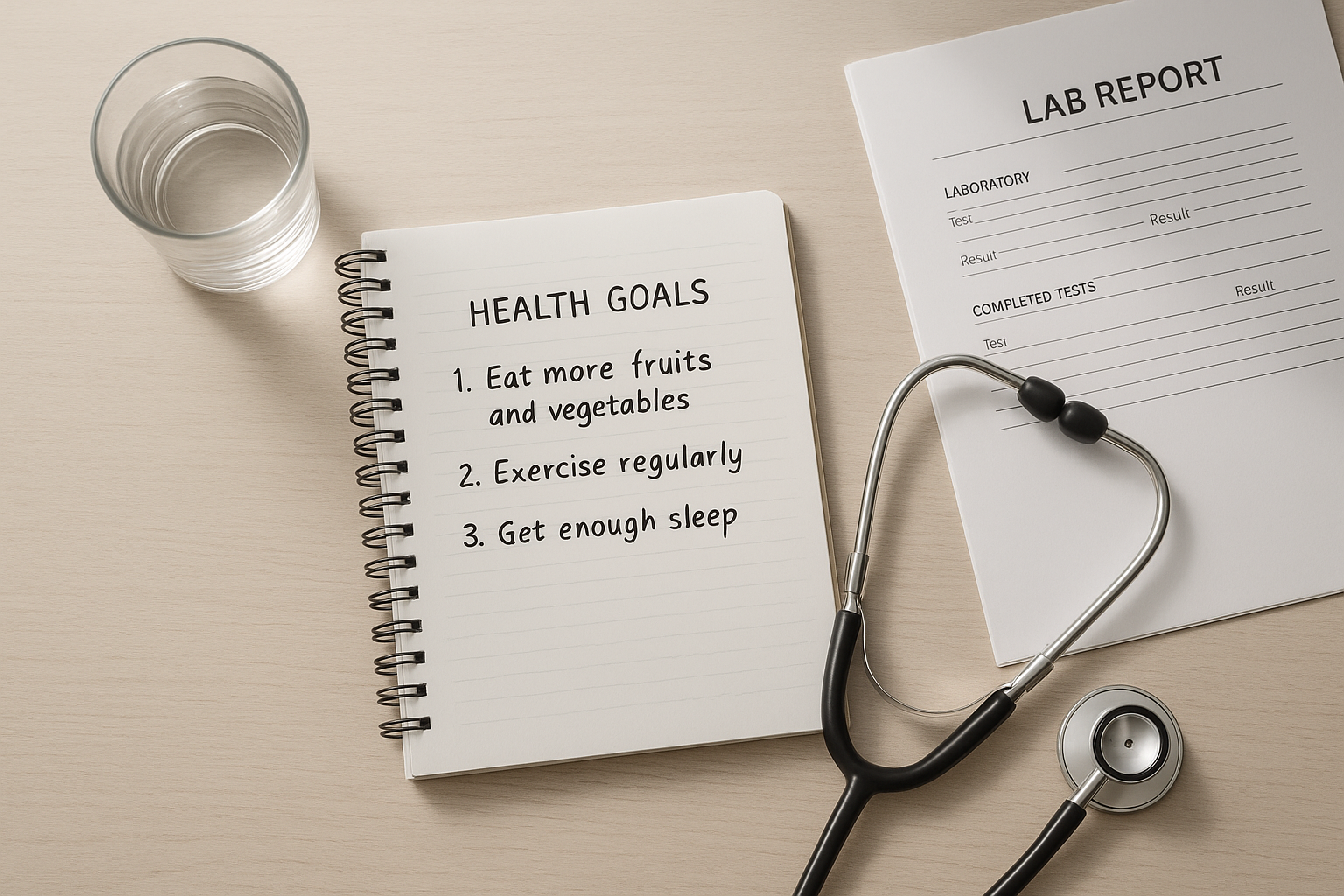
A structured, physician-guided plan is the foundation of any effective hormone optimization program.
Frequently Asked Questions About Holistic Hormone Therapy
What is holistic hormone therapy?
Holistic hormone therapy is a comprehensive, personalized approach to restoring hormonal balance that considers the whole person — including lifestyle, nutrition, stress, and medical history — rather than treating isolated symptoms. It combines evidence-based hormone protocols with broader health optimization strategies for sustainable results.
Who is a good candidate for holistic hormone therapy?
Adults experiencing fatigue, weight gain, low libido, mood changes, or cognitive decline related to hormonal imbalance are strong candidates. A licensed clinician will assess your health profile through lab testing to confirm suitability before any treatment begins.
How does holistic hormone therapy differ from conventional hormone treatment?
Conventional hormone treatment often targets a single hormone in isolation, while holistic hormone therapy evaluates the entire endocrine system and integrates lifestyle factors. The goal is sustainable balance rather than just symptom suppression.
What hormones are typically addressed in a holistic hormone program?
Common hormones addressed include testosterone, estrogen, progesterone, cortisol, thyroid hormones, and human growth hormone. The specific combination depends on each patient’s lab results and symptoms, making individualization essential.
Is holistic hormone therapy safe?
When prescribed and monitored by a licensed medical professional, holistic hormone therapy is considered safe for most adults. Regular blood work and follow-up appointments are essential to minimize risks and optimize outcomes over time.
How long does it take to see results from hormone therapy?
Many patients notice initial improvements in energy and mood within 4 to 6 weeks. However, full benefits — including changes in body composition and cognitive clarity — typically emerge after 3 to 6 months of consistent, medically supervised treatment.
Does holistic hormone therapy require a prescription in Canada?
Yes. In Canada, hormone therapies such as testosterone, estrogen, and progesterone require a physician’s prescription. Treatment must be supervised by a licensed medical professional to ensure both safety and legal compliance.
How much does holistic hormone therapy cost in Ontario?
Costs vary depending on the protocol. Clinics like tier1optimal.com offer physician-supervised hormone programs starting at $125 per month, making evidence-based care more accessible than traditional private clinics in Ontario.
Can holistic hormone therapy help with weight loss?
Yes. Hormonal imbalances — particularly low testosterone or thyroid dysfunction — can significantly impair metabolism and promote fat storage. Restoring hormonal balance often supports improved body composition alongside a physician-guided medical weight loss plan.
What lifestyle changes complement hormone therapy?
Resistance training, adequate sleep, stress management, and an anti-inflammatory diet all enhance the effectiveness of hormone therapy. A holistic approach integrates these factors directly into the treatment plan for compounding benefits.
What lab tests are needed before starting hormone therapy?
A comprehensive hormone panel typically includes total and free testosterone, estradiol, LH, FSH, SHBG, thyroid function, cortisol, and a full metabolic panel. These results guide the personalized protocol design and establish a clear baseline for tracking progress.
Are there side effects of hormone replacement therapy?
Potential side effects depend on the hormones used and individual response. Common ones include fluid retention, mood fluctuations, or skin changes. Proper monitoring and dose adjustments by a licensed physician minimize these risks significantly.
Can men benefit from holistic hormone therapy?
Absolutely. Men experiencing low testosterone — a condition called hypogonadism — often benefit greatly from testosterone replacement therapy as part of a holistic hormone optimization program. Improved energy, muscle mass, libido, and mental clarity are among the most commonly reported outcomes.
Conclusion: Taking a Proactive Approach to Hormonal Health
Holistic hormone therapy represents one of the most powerful tools available to adults who want to take genuine control of their long-term health and performance. By addressing the root causes of hormonal imbalance — rather than masking individual symptoms — this approach delivers measurable, lasting improvements in energy, body composition, cognitive clarity, and overall vitality. Furthermore, when delivered under the supervision of a licensed medical team, it is both safe and evidence-based. If you are ready to explore what personalized hormone optimization can do for you, the clinician-led team at tier1optimal.com offers accessible, physician-supervised programs across Ontario — a practical first step toward living and performing at your best.