
Hormone therapy side effects are a primary concern for anyone considering testosterone replacement therapy (TRT), hormone replacement therapy (HRT), or human growth hormone (HGH) protocols. Understanding what these effects are, why they happen, and how to manage them is essential for making informed decisions about your health.
The good news is that most side effects associated with hormone therapy are predictable, manageable, and far less common when treatment is delivered under proper medical supervision. In this guide, we break down the key risks, explain the science behind them, and show you how a physician-led approach keeps those risks in check.

Physician-supervised hormone therapy protocols significantly reduce the risk of adverse side effects through regular monitoring and dose adjustment.
What Are Hormone Therapy Side Effects?
Hormone therapy side effects are physiological responses that occur when exogenous (externally administered) hormones alter the body’s natural endocrine balance. According to the Endocrine Society, the endocrine system is highly sensitive, meaning even small changes in hormone levels can produce noticeable physical and psychological effects.
These effects are not a sign that therapy is failing. Rather, they often reflect the body adapting to a new hormonal environment. Furthermore, the severity and duration of side effects depend heavily on the type of hormone used, the dosage, the delivery method, and the individual’s baseline health profile.
It is also worth noting that low hormone levels themselves cause significant symptoms — fatigue, poor body composition, low mood, and reduced cognitive function. Therefore, the decision to pursue therapy always involves weighing the benefits against the potential risks.
Common Side Effects of Testosterone Replacement Therapy
Testosterone replacement therapy (TRT) is one of the most widely studied hormonal interventions for men with clinically low testosterone. However, like any medical treatment, it carries a defined set of potential side effects that patients should understand before starting.
The most frequently reported side effects of TRT include:
- Erythrocytosis (elevated red blood cell count): Testosterone stimulates red blood cell production. In some patients, this can lead to thickened blood, increasing cardiovascular risk if not monitored.
- Acne and oily skin: Androgens stimulate sebaceous glands. This is particularly common in younger patients or those on higher doses.
- Testicular atrophy: Exogenous testosterone signals the body to reduce its own production, which can cause the testes to shrink over time.
- Estrogen conversion: Testosterone can convert to estradiol via the aromatase enzyme, potentially causing water retention, mood changes, or gynecomastia (breast tissue growth in men).
- Hair thinning: In genetically predisposed individuals, elevated DHT (a testosterone metabolite) may accelerate male pattern baldness.
Importantly, a 2018 review published in the Journal of Clinical Endocrinology & Metabolism found that most TRT-related adverse effects are dose-dependent and reversible with appropriate clinical management.
Fertility and Hormonal Suppression
One consideration that is often overlooked is the impact of TRT on fertility. Exogenous testosterone suppresses the hypothalamic-pituitary-gonadal axis, which reduces sperm production. Consequently, men who wish to preserve fertility should discuss alternatives such as human chorionic gonadotropin (hCG) co-administration with their physician before starting treatment.
HRT Side Effects in Women: What to Expect
For women, hormone replacement therapy (HRT) typically involves estrogen, progesterone, or a combination of both — sometimes with low-dose testosterone. The side effect profile differs meaningfully from that seen in men’s TRT protocols.
Common HRT side effects in women include:
- Breast tenderness: Estrogen stimulates breast tissue, which can cause temporary sensitivity, especially in the early weeks of treatment.
- Spotting or irregular bleeding: This is more common with combined estrogen-progesterone therapy and typically resolves within three to six months.
- Mood fluctuations: Hormonal shifts can affect neurotransmitter activity, leading to transient anxiety or low mood during the adjustment period.
- Bloating and fluid retention: Estrogen promotes sodium and water retention, which may cause mild bloating early in treatment.
- Headaches: Some women report more frequent headaches, particularly if they are prone to migraines that are hormonally influenced.
According to the U.S. Office on Women’s Health, the risks and benefits of HRT vary significantly based on age, health history, and the specific formulation used. This reinforces why individualized, physician-guided care is so important.
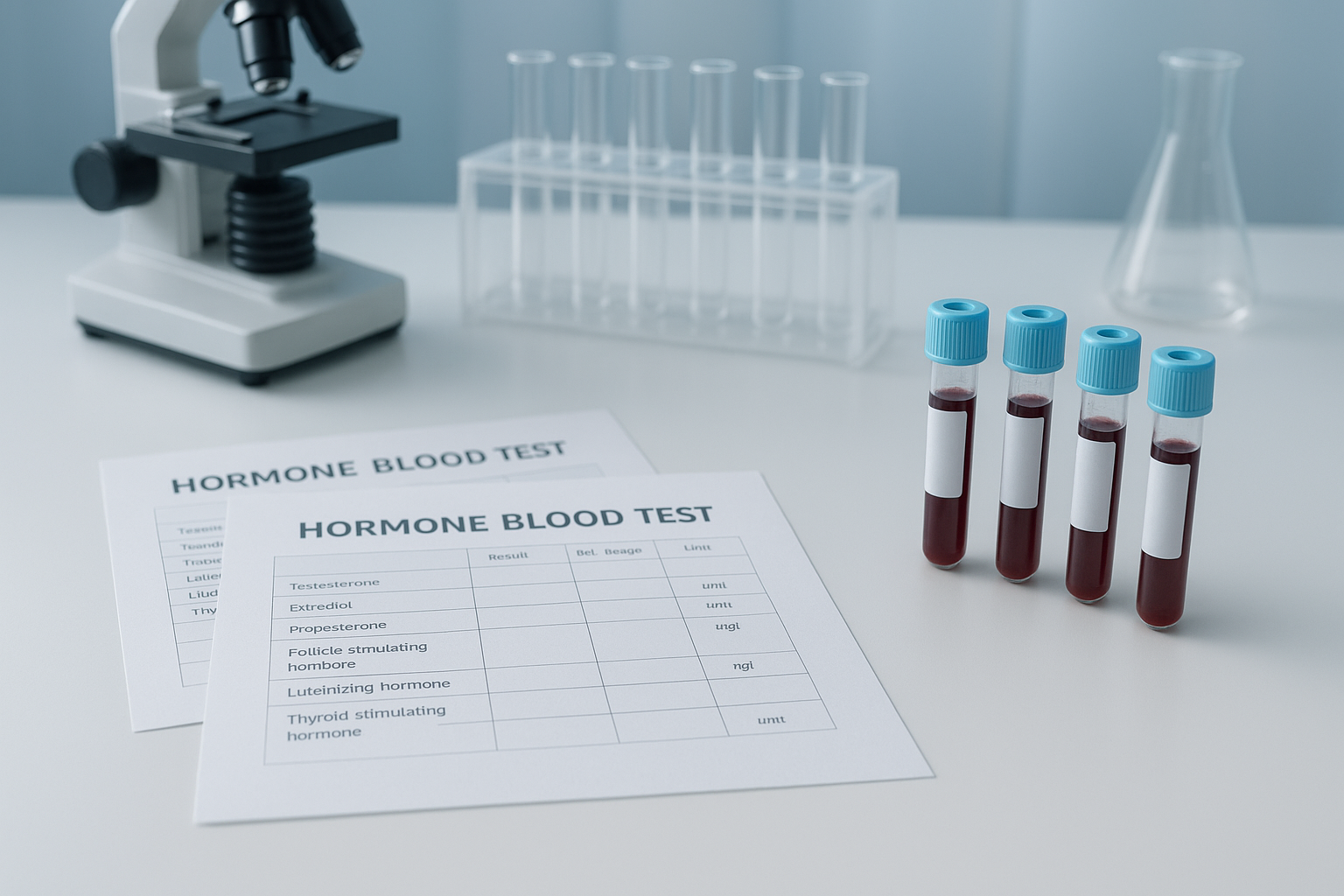
Regular blood work is the most reliable tool for catching and correcting hormonal imbalances before they become problematic.
HGH Therapy: Potential Adverse Effects
Human growth hormone therapy, available through specialized HGH protocols, carries its own set of potential adverse effects. These are typically dose-dependent, meaning they are more likely to appear when doses are too high or not properly calibrated.
Common HGH-related side effects include joint and muscle pain, carpal tunnel syndrome (pressure on the median nerve causing hand numbness), fluid retention, and elevated blood glucose levels. In rare cases, prolonged high-dose use has been associated with acromegaly — abnormal bone and tissue growth — though this is extremely uncommon under medically supervised dosing.
Therefore, proper dosing, regular lab monitoring, and an experienced prescribing physician are non-negotiable when HGH is part of a treatment plan.
How to Manage Hormone Therapy Side Effects: A Step-by-Step Approach
The following process reflects best practices used by clinician-led programs, including those offered at tier1optimal.com, to minimize adverse effects and optimize patient outcomes.
- Complete a baseline health assessment. Before starting any hormone protocol, your physician should order comprehensive blood work and review your full health history. This identifies pre-existing conditions that could influence your risk profile and establishes the benchmarks needed to track your progress.
- Start at the lowest effective dose. Your physician should prescribe the minimum dose required to achieve therapeutic benefit, then adjust upward gradually based on lab results and your symptom response. This conservative approach significantly reduces the likelihood of adverse effects.
- Schedule regular follow-up blood work. Monitor key biomarkers — including hormone panels, red blood cell count, liver function, and lipids — at regular intervals, typically every three months initially. Early detection of imbalances allows for prompt correction.
- Report new or worsening symptoms promptly. Maintain open communication with your clinical team. If you notice unexpected changes such as significant mood shifts, swelling, or skin reactions, report them right away so your protocol can be adjusted accordingly.
- Support your protocol with healthy lifestyle habits. Optimize sleep quality, follow a nutrient-dense diet, and engage in regular resistance and cardiovascular exercise. These habits support hormonal balance and reduce the overall burden of side effects throughout your treatment.
Why Medical Supervision Matters for Hormonal Treatments
One of the most important factors in determining whether hormone therapy is safe and effective is the quality of medical oversight involved. Unsupervised or self-administered hormone use — often sourced from unregulated markets — dramatically increases the risk of serious complications.
In contrast, clinician-led programs like those at Tier1Optimal’s Optimization Lab use evidence-based protocols, regular lab monitoring, and individualized dosing to minimize risk while maximizing therapeutic benefit. The clinic serves motivated adults across Ontario who want measurable improvements in energy, body composition, and mental clarity — all under the direct supervision of licensed medical professionals.
Furthermore, a study published in JAMA Internal Medicine found that patients who received structured monitoring during hormone therapy experienced significantly fewer adverse events than those managed without regular follow-up. This underscores the value of an organized, physician-guided care model.
Recognizing When Side Effects Require Immediate Attention
While most hormone therapy side effects are mild and manageable, certain symptoms warrant immediate medical attention. These include chest pain, shortness of breath, severe leg swelling, signs of blood clots, or sudden changes in vision or speech. These are rare but serious, and patients should have a clear protocol for reaching their clinical team in such situations.
Frequently Asked Questions About Hormone Therapy Side Effects
What are the most common hormone therapy side effects?
The most common hormone therapy side effects include mood changes, fluid retention, acne, fatigue, and changes in libido. These effects are often temporary and tend to resolve as the body adjusts to the new hormonal balance.
Are hormone therapy side effects dangerous?
Most side effects from medically supervised hormone therapy are mild and manageable. However, unsupervised use or improper dosing can increase the risk of more serious complications, which is why physician oversight is essential.
How long do hormone therapy side effects last?
Many side effects appear during the first few weeks of treatment and subside within one to three months as the body adapts. Persistent side effects should always be discussed with your prescribing physician.
Can TRT cause cardiovascular problems?
Some studies have examined the relationship between testosterone replacement therapy and cardiovascular risk. Under proper medical supervision with regular monitoring, TRT is generally considered safe for most healthy adults.
Does hormone replacement therapy cause weight gain?
Some people experience mild fluid retention early in HRT, which can feel like weight gain. However, properly balanced hormone therapy often improves body composition over time by supporting lean muscle mass and reducing fat accumulation.
How can I minimize hormone therapy side effects?
Working with a licensed physician, starting at the lowest effective dose, and scheduling regular blood work are the most effective ways to minimize side effects. Lifestyle factors like sleep, nutrition, and exercise also play a significant role.
What is the difference between HRT and TRT side effects?
HRT typically refers to estrogen and progesterone therapy used by women, while TRT involves testosterone and is used primarily by men. Their side effect profiles differ, though both share risks like mood changes and fluid retention when not properly managed.
Can hormone therapy affect fertility?
Yes, testosterone replacement therapy can suppress sperm production, and estrogen-based HRT can affect ovulation. Patients concerned about fertility should discuss this with their physician before starting treatment.
Is hair loss a side effect of hormone therapy?
Hair thinning or loss can occur with some hormone therapies, particularly when testosterone converts to dihydrotestosterone (DHT). This risk can often be managed with medication adjustments or adjunct treatments prescribed by your physician.
What blood tests should I have during hormone therapy?
Regular monitoring should include a complete blood count, hormone panels (testosterone, estradiol, LH, FSH), liver function tests, and lipid panels. Your physician will determine the appropriate testing schedule based on your specific protocol and response.
Can women experience side effects from testosterone therapy?
Yes, women prescribed low-dose testosterone may experience acne, increased body hair, or voice changes if doses are too high. Careful titration and regular monitoring by a physician minimizes these risks significantly.
Does HGH therapy have side effects?
Human growth hormone therapy can cause joint pain, fluid retention, carpal tunnel syndrome, and elevated blood sugar in some patients. These effects are typically dose-dependent and resolve with dosage adjustments made by your physician.
Conclusion: Managing Hormone Therapy Side Effects With Confidence
Understanding hormone therapy side effects is the first step toward managing them effectively. As this guide has shown, the vast majority of side effects are predictable, dose-related, and resolvable with the right clinical support. Furthermore, the risks of untreated hormonal imbalance — fatigue, poor body composition, cognitive decline, and reduced quality of life — are often far greater than the manageable risks of a well-supervised treatment protocol.
Whether you are considering TRT, HRT, or HGH therapy, the key to a safe and successful outcome lies in working with a qualified, experienced medical team. Clinics like Tier1Optimal in Ontario combine evidence-based protocols, accessible pricing starting at $125/month, and direct physician oversight to help motivated adults achieve real, measurable results — safely and sustainably.
If you are ready to take a proactive approach to your hormonal health, speaking with a licensed clinician is the most important next step you can take.