
Testosterone replacement therapy Ontario is a medically supervised treatment designed to restore healthy testosterone levels in men who have clinically low hormone production. For many Ontario men, it represents a life-changing solution to symptoms that quietly erode quality of life for years.
Low testosterone — also called hypogonadism — affects a significant portion of adult men. In fact, research published in the Journal of Clinical Endocrinology & Metabolism estimates that roughly 2 to 4 percent of men under 40 and up to 20 percent of men over 60 have clinically low testosterone levels. However, many cases go undiagnosed for years because the symptoms overlap with general aging or stress.
What Is Testosterone Replacement Therapy Ontario?
Testosterone replacement therapy Ontario is a prescribed medical protocol in which a licensed physician restores testosterone to optimal physiological levels. It is not a performance-enhancing shortcut — rather, it is a regulated treatment for a recognized hormonal deficiency.
According to established medical literature, TRT works by supplementing the body’s own testosterone production when the testes no longer produce sufficient amounts. As a result, hormone levels return to a healthy range, and most men experience meaningful symptom relief.
In Ontario, all testosterone therapies are regulated by Health Canada and require a valid prescription from a licensed physician. Therefore, self-administering testosterone without medical oversight is both unsafe and illegal.

A licensed Ontario physician reviews diagnostic blood work before recommending a testosterone replacement therapy plan.
Common Symptoms of Low Testosterone in Men
Recognizing the signs of low testosterone is the critical first step. Many men dismiss these symptoms as normal aging, which unfortunately delays treatment for years.
Common symptoms include:
- Persistent fatigue and low energy despite adequate sleep
- Reduced sex drive and erectile difficulties
- Mood changes, irritability, or depression
- Loss of muscle mass and increased body fat
- Difficulty concentrating or brain fog
- Decreased bone density over time
Furthermore, these symptoms often compound each other. For example, fatigue reduces motivation to exercise, which in turn accelerates muscle loss and weight gain — creating a difficult cycle to break without proper treatment.
What Blood Tests Confirm Low Testosterone?
In Ontario, physicians typically require morning blood tests since testosterone levels peak early in the day. Canadian guidelines recommend confirming low levels with at least two separate tests to rule out daily fluctuations.
A comprehensive panel generally includes total testosterone, free testosterone, luteinizing hormone (LH), follicle-stimulating hormone (FSH), estradiol, prolactin, PSA (prostate-specific antigen), and a complete blood count. Together, these results give your physician a full hormonal picture.
How to Start TRT in Ontario: Step-by-Step
Getting started with low testosterone treatment in Ontario is a straightforward process when you work with an experienced provider. Below is a clear, step-by-step overview.
- Recognize the symptoms. Identify persistent fatigue, low libido, mood changes, or reduced muscle mass that suggest hormonal imbalance.
- Book a consultation. Schedule an appointment with a licensed Ontario physician or a dedicated men’s health clinic specializing in hormone optimization.
- Complete diagnostic blood tests. Get a full morning hormone panel drawn, including total and free testosterone alongside supporting markers.
- Review results and receive a prescription. Your physician will confirm hypogonadism and prescribe the most appropriate TRT delivery method for your needs.
- Begin treatment and monitor regularly. Start your protocol and attend follow-up blood tests every 3 to 6 months to optimize dosage and track progress.
TRT Delivery Methods Available in Ontario
Ontario physicians offer several delivery methods, each with distinct advantages. Your physician will recommend the best option based on your lifestyle, preferences, and health profile.
Intramuscular Injections: Testosterone cypionate or enanthate injected into the muscle every one to two weeks. This is the most common method in Canada due to its cost-effectiveness and predictable results.
Subcutaneous Injections: Smaller, more frequent injections under the skin that produce steadier hormone levels and are easier to self-administer at home.
Topical Gels and Creams: Applied daily to the skin, these are convenient and non-invasive. However, there is a transfer risk to partners or children if contact occurs before the gel dries.
Transdermal Patches: Applied to the skin daily, patches offer steady hormone delivery. They are less commonly prescribed in Ontario today due to skin irritation in some users.
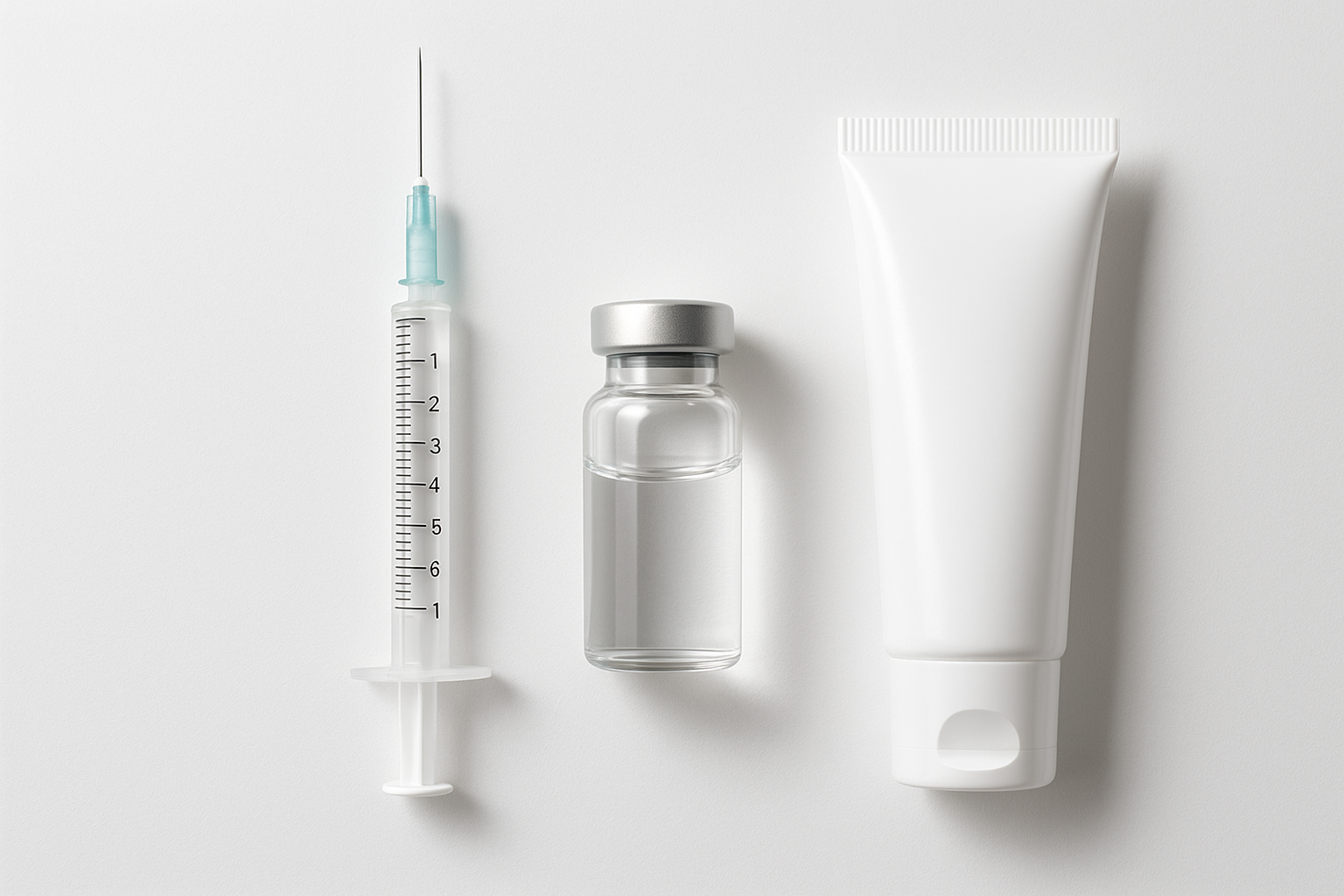
Common TRT delivery methods include injections and topical gels, each suited to different patient needs and lifestyles.
Benefits and Risks of Hormone Therapy for Men
When properly managed, the benefits of TRT are well-documented. Most men report significant improvements in energy, mood, libido, and body composition within the first few months of treatment.
Specifically, clinical studies show that TRT improves bone mineral density, reduces fat mass, and increases lean muscle. Additionally, many men experience better cognitive clarity and reduced symptoms of depression.
However, TRT does carry potential risks that require monitoring. These include elevated hematocrit (red blood cell concentration), acne, fluid retention, sleep apnea worsening, and suppressed natural sperm production. In rare cases, cardiovascular concerns may arise, particularly in men with pre-existing heart conditions.
Consequently, regular blood work and physician oversight are non-negotiable components of a safe TRT program. Providers like Tier 1 Optimal offer structured monitoring protocols to ensure men receive safe, evidence-based hormone optimization throughout their treatment journey.
What About Fertility and TRT?
One important consideration for younger Ontario men is fertility. TRT suppresses the body’s natural signals to produce sperm, which can significantly reduce fertility during treatment. Therefore, men who wish to father children should discuss fertility-preserving alternatives with their physician before starting TRT.
Options such as clomiphene citrate or human chorionic gonadotropin (hCG) therapy can stimulate natural testosterone production while preserving sperm output. These alternatives are available from specialized Ontario clinics and represent a viable path for men with fertility goals.
Cost of TRT in Ontario: What to Expect
Cost is a practical concern for many men exploring testosterone therapy. In Ontario, OHIP typically covers diagnostic consultations and blood tests when ordered by a family physician. However, the testosterone medications themselves are usually not covered under OHIP and must be paid out-of-pocket or through private insurance.
At private men’s health clinics, monthly costs generally range from $100 to $400 depending on the delivery method, dosage, and frequency of monitoring appointments. Injections tend to be the most affordable option, while compounded creams or gels are typically more expensive.
In addition, some Ontario Drug Benefit (ODB) programs may offer partial coverage for qualifying low-income patients. It is worth discussing all coverage options with your provider during your initial consultation. Resources like Tier 1 Optimal can help guide you through the cost and coverage landscape specific to Ontario.
Choosing the Right TRT Clinic in Ontario
Not all clinics approach hormone therapy the same way. Specifically, you want a provider that conducts thorough diagnostic testing before prescribing, offers personalized dosing protocols, and provides ongoing monitoring rather than a one-size-fits-all approach.
Look for clinics staffed by physicians who specialize in men’s health and hormone optimization. Furthermore, a good clinic will educate you on potential risks, discuss your goals openly, and adjust your protocol based on blood work results over time.
Private men’s health clinics in Ontario often offer faster access to care than the traditional family medicine route. For many men, this means starting treatment weeks or months sooner — which can make a meaningful difference in quality of life. You can also explore our guide on men’s hormone optimization strategies for additional context on building a complete wellness plan.
Frequently Asked Questions About Testosterone Replacement Therapy Ontario
What is testosterone replacement therapy Ontario?
Testosterone replacement therapy Ontario is a medically supervised treatment that restores low testosterone levels in men living in Ontario, Canada. It involves prescribed hormones delivered via injections, gels, or patches under a licensed physician’s care.
How do I know if I need TRT in Ontario?
You may need TRT if you experience fatigue, low libido, depression, or reduced muscle mass alongside confirmed low testosterone on a blood test. A licensed Ontario physician will diagnose hypogonadism before prescribing treatment.
Is testosterone replacement therapy covered by OHIP in Ontario?
OHIP may cover diagnostic blood tests and physician consultations related to TRT, but the testosterone medications themselves are often not fully covered. Some private insurance plans or Ontario Drug Benefit programs may provide partial coverage.
What are the main delivery methods for TRT in Ontario?
The main delivery methods include intramuscular injections, subcutaneous injections, topical gels or creams, and transdermal patches. Your Ontario physician will recommend the best method based on your lifestyle, health history, and treatment goals.
How long does it take to see results from testosterone therapy?
Most men notice initial improvements in energy and mood within 3 to 6 weeks of starting TRT. Full benefits, including improved muscle mass and libido, typically develop over 3 to 6 months of consistent treatment.
What are the risks of testosterone replacement therapy?
Potential risks include elevated red blood cell count, acne, sleep apnea, reduced sperm production, and cardiovascular concerns in some individuals. Regular monitoring by an Ontario physician significantly reduces these risks.
What is considered a low testosterone level in Ontario?
Most Ontario physicians consider total testosterone below 8 to 12 nmol/L as low, though symptoms and free testosterone levels are also evaluated. Canadian guidelines recommend confirming low levels with at least two separate morning blood tests.
Can I get TRT from a private clinic in Ontario?
Yes, several private men’s health clinics in Ontario offer TRT programs with streamlined access to diagnosis and treatment. These clinics often provide faster appointments and more personalized hormone optimization plans than traditional family medicine.
How much does testosterone replacement therapy cost in Ontario?
Costs generally range from $100 to $400 per month depending on the delivery method and monitoring frequency. Injections are typically the most affordable option available at Ontario TRT clinics.
Does TRT affect fertility in Ontario men?
TRT can suppress sperm production, which may reduce fertility during treatment. Men who wish to preserve fertility should discuss alternatives such as clomiphene or hCG therapy with their Ontario physician before starting TRT.
What blood tests are required before starting TRT in Ontario?
Required tests typically include total testosterone, free testosterone, LH, FSH, estradiol, complete blood count, PSA, and a metabolic panel. These tests confirm hypogonadism and rule out underlying conditions before treatment begins.
What is the difference between TRT and testosterone boosters?
TRT is a prescription medical treatment that directly replaces deficient testosterone under physician supervision. Testosterone boosters are over-the-counter supplements with limited scientific evidence and no guaranteed hormonal effect.
Conclusion: Taking Control of Your Hormonal Health in Ontario
Testosterone replacement therapy Ontario offers a proven, medically supervised path for men who are suffering from the real and measurable effects of low testosterone. From persistent fatigue and low libido to mood changes and muscle loss, the symptoms of hypogonadism significantly impact daily life — but they do not have to be permanent.
Above all, the key to a safe and effective TRT experience is working with a qualified Ontario physician who conducts thorough diagnostics, prescribes an individualized protocol, and monitors your health consistently over time. With the right clinical support, most men achieve excellent results and a meaningful improvement in overall well-being.
If you believe low testosterone may be affecting your quality of life, the next step is simple: book a consultation, get tested, and explore your options with a knowledgeable provider. You can also learn more about personalized hormone therapy approaches at our men’s health resource hub to support your journey toward optimal health.